
Irish Names: A Beginner-Friendly Guide to Their Meaning, History, and Popular Choices
Introduction
Irish names are some of the most beautiful and meaningful names in the world. They often have deep historical roots, unique pronunciations, and connections to Irish culture, mythology, and family traditions. If you’ve ever seen names like Aoife, Cian, Niamh, or Saoirse and wondered how to pronounce them or what they mean, you’re not alone.
Learning about Irish names is useful whether you’re choosing a baby name, writing a story, researching your family history, or simply exploring Irish culture. Once you understand the basics, these names become much easier to recognize, pronounce, and appreciate. This guide explains everything in simple language, making it perfect for beginners.
What Are Irish Names?
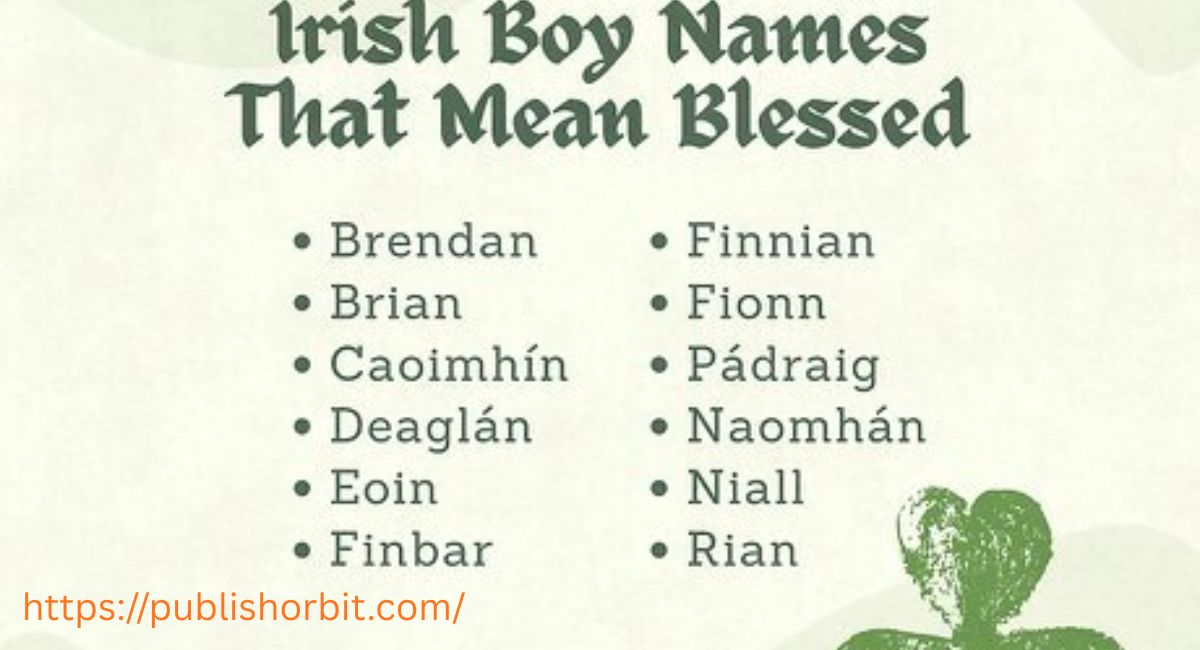
Irish names are names that come from the Irish language, also known as Gaeilge. Many of these names have been used for hundreds or even thousands of years. Some are inspired by ancient kings, saints, poets, and legendary heroes, while others come from nature or describe positive qualities.
Unlike many modern names, Irish names often carry strong meanings. For example, a name may represent bravery, beauty, wisdom, or strength. Because of these meaningful origins, many families continue to choose traditional Irish names today.
Modern Ireland also uses English versions of some names, but many people proudly keep the original Irish spelling. This helps preserve the country’s language and cultural heritage.
Beginner Tips
- Read the name slowly before trying to pronounce it.
- Learn one new Irish name each day.
- Focus on the meaning as well as the spelling.
- Don’t worry if pronunciation feels difficult at first.
- Practice by listening to native speakers online.
Why Irish Names Are So Special
One reason Irish names remain popular is that they tell a story. Every name has a background that connects it to Irish history or tradition.
Many names come from famous historical figures. Others appear in Irish myths filled with brave warriors, magical creatures, and heroic adventures. Some names simply describe beautiful qualities like kindness, peace, or happiness.
Parents around the world choose Irish names because they are unique without feeling unusual. Many names are elegant, memorable, and meaningful, making them suitable for children as well as adults.
Another reason these names stand out is their spelling. Irish pronunciation follows rules that are different from English, which is why names may look unfamiliar but sound beautiful once learned.
Popular Irish Names and Their Meanings
If you’re just starting to explore Irish names, here are some well-known examples.
| Irish Name | Common Pronunciation | Meaning |
|---|---|---|
| Aoife | EE-fa | Beauty or radiant |
| Niamh | Neev | Bright or shining |
| Saoirse | SEER-sha | Freedom |
| Cian | KEE-an | Ancient or enduring |
| Liam | LEE-am | Strong protector |
| Finn | Fin | Fair or white |
| Maeve | Mayv | She who rules |
| Ronan | RO-nan | Little seal |
These names are popular both in Ireland and in many other countries. Some have become international favorites while still keeping their Irish heritage.
When choosing among Irish names, it’s a good idea to understand both the pronunciation and the meaning. This helps you appreciate the name even more.
Understanding Irish Name Pronunciation
The biggest challenge beginners face with Irish names is pronunciation. Fortunately, it becomes much easier with practice.
Irish uses different pronunciation rules than English. Certain letter combinations create sounds that may surprise English speakers.
For example, the combination “mh” often sounds like a “v.” Similarly, “bh” may also sound like a “v.” The letters “ao” often create an “ee” sound.
You don’t need to memorize every rule immediately. Instead, learn names one at a time. After hearing them several times, they become familiar.
Many websites and language-learning apps now include audio recordings, making pronunciation much easier than it was in the past.
Traditional vs Modern Irish Names
Although many classic Irish names are still popular, modern parents often mix tradition with current naming trends.
Traditional names usually keep their original Irish spelling and pronunciation. These names celebrate Ireland’s history and language.
Modern versions sometimes simplify the spelling so international speakers find them easier to read. For example, some families may choose Liam instead of the older William-based traditions or select internationally recognized Irish names.
| Traditional Style | Modern Trend |
| Original Irish spelling | Simpler international use |
| Strong historical roots | Easy global recognition |
| Cultural preservation | Modern popularity |
| Traditional pronunciation | Easier pronunciation for beginners |
Both approaches are wonderful. The best choice depends on personal preference and family tradition.
Advanced Guidance for Learning More
Once you’re comfortable with basic Irish names, you can explore the subject more deeply.
Study Irish mythology to discover the stories behind famous names. Learning about legendary heroes and queens makes each name much more meaningful.
You can also explore Irish family surnames, many of which begin with prefixes like “O'” or “Mac.” These surnames often describe family ancestry and historical connections.
If you’re writing novels or creating fictional characters, researching authentic Irish names helps create realistic personalities and settings.
Language learners may also enjoy studying basic Irish pronunciation rules. Even a little knowledge makes reading names much easier.
Common Beginner Mistakes
Many people make small mistakes when learning Irish names, but they are easy to fix.
One common mistake is trying to pronounce every letter using English rules. Irish follows different pronunciation patterns.
Another mistake is choosing a name without learning its meaning. Understanding the history behind a name makes it more memorable.
Some beginners also avoid because they seem difficult. In reality, most become easy after hearing them a few times.
Simple Ways to Avoid Mistakes
- Listen to correct pronunciation before saying a name.
- Read about each name’s meaning.
- Practice slowly instead of rushing.
- Keep a small list of your favorite names.
- Learn a few pronunciation patterns over time.
Action Plan for Beginners
If you’re completely new to Irish names, here’s a simple plan to get started.
- Choose five Irish names that you like.
- Learn how each one is pronounced.
- Read the meaning behind every name.
- Practice saying them aloud each day.
- Explore more names from Irish history and mythology.
- Keep adding new favorites to your collection.
- Share what you’ve learned with family or friends.
Following these steps helps you build confidence without feeling overwhelmed.
Why Irish Names Matter Today and in the Future
Interest in Irish names continues to grow every year. Families appreciate meaningful names that stand out while honoring cultural traditions.
Genealogy has also become increasingly popular. Many people researching family history discover Irish ancestors and become interested in traditional names.
Irish culture continues to influence movies, television, music, literature, and global entertainment. As a result, more people are hearing authentic and becoming curious about their meanings.
Technology has also made learning easier. Pronunciation guides, online dictionaries, and educational videos help beginners understand names from anywhere in the world.
As Irish culture continues reaching global audiences, these names will likely remain popular for many generations.
Frequently Asked Questions
1. Are Irish names difficult to pronounce?
Some can be challenging at first, but they become much easier after listening to correct pronunciation a few times.
2. Do Irish names have meanings?
Yes. Most Irish names have beautiful meanings connected to history, nature, personality, or mythology.
3. Can people outside Ireland use Irish names?
Absolutely. Many families around the world choose Irish names because they are meaningful and distinctive.
4. Are Irish names still popular today?
Yes. Many traditional and modern Irish names continue to grow in popularity across different countries.
5. Where can beginners learn more about Irish names?
Books, language-learning websites, pronunciation guides, genealogy resources, and Irish cultural organizations are excellent places to continue learning.
Conclusion
Irish names offer much more than attractive spelling. They represent centuries of history, culture, storytelling, and tradition. Every name carries its own meaning, making it a special choice for families, writers, students, and anyone interested in Irish heritage.
If you’re just beginning your journey, don’t worry about learning everything at once. Start with a few names, practice their pronunciation, and explore the stories behind them. Over time, you’ll discover that are not only beautiful to hear but also rich with meaning and history. With a little curiosity and regular practice, you’ll soon feel comfortable recognizing, pronouncing, and appreciating these timeless names.


