
Green Sunfish: A Beginner-Friendly Guide to Understanding, Identifying, and Caring for Green Sunfish
Introduction
If you have ever visited a pond, lake, or slow-moving river, there’s a good chance you’ve come across the green sunfish. This colorful freshwater fish is popular among anglers, nature lovers, and aquarium hobbyists because it is hardy, easy to recognize, and fun to observe.
For beginners, learning about the green sunfish is a great way to understand freshwater fish behavior. Whether you want to catch one while fishing, identify fish in your local pond, or keep one in a home aquarium, this guide will help you get started with confidence.
The best part is that the is known for being adaptable. It can survive in many different environments, making it one of the easiest freshwater fish to learn about.
What Is a Green Sunfish?
The green sunfish is a freshwater fish that belongs to the sunfish family. It is native to North America and is commonly found in ponds, lakes, streams, and rivers.
Unlike some fish that require very specific water conditions, the green sunfish can live in a wide variety of habitats. This adaptability makes it one of the most common freshwater fish people encounter.
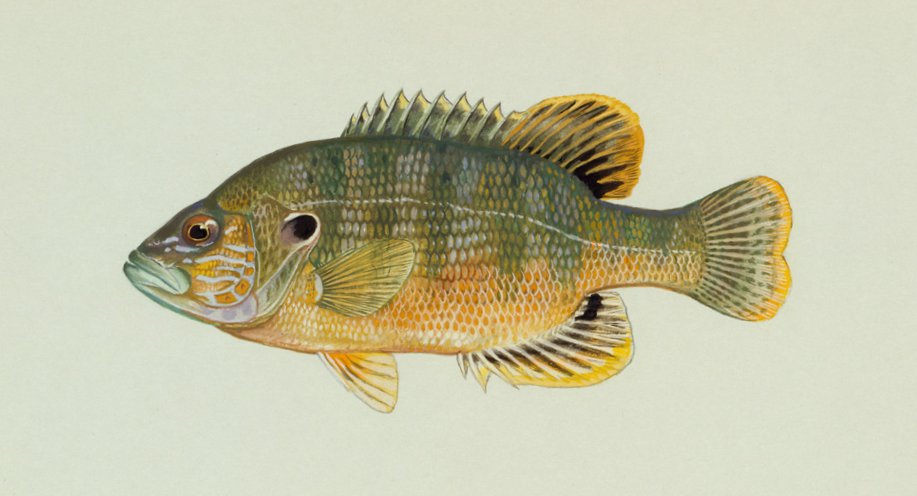
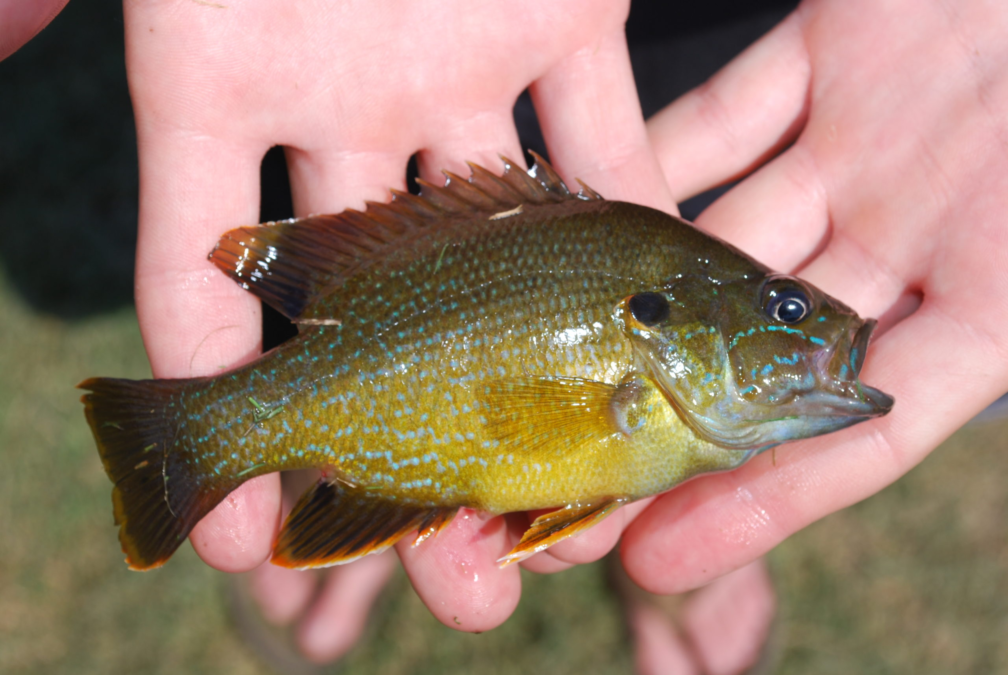
A mature usually has:
- A green or olive-colored body
- Bright blue or turquoise markings around the face
- A large mouth compared to other sunfish
- Yellow or orange edges on the fins
- Dark spots near the back fin
These features make identifying a green sunfish much easier, even for someone with very little experience.
Beginner Tip
When looking at freshwater fish, notice the mouth size. A green sunfish has a noticeably larger mouth than many other sunfish species.
Where Green Sunfish Live and Why They Are Popular
One reason the green sunfish is so popular is its ability to survive almost anywhere. It can live in clean lakes, muddy ponds, small creeks, and even slow rivers.
It often hides near:
- Rocks
- Fallen trees
- Aquatic plants
- Dock pilings
- Shallow shorelines
These hiding places help protect the fish while giving it easy access to insects and small prey.
The is also known for its aggressive feeding behavior. It will chase insects, worms, minnows, and small crustaceans. Because of this, beginner anglers often find them easier to catch than many other freshwater fish.
Beginner Tip
If you’re fishing for a green sunfish, try casting near underwater logs or weeds during the morning or evening.
How to Identify and Care for a Green Sunfish
Many beginners confuse the green sunfish with bluegill or pumpkinseed sunfish. Although they belong to the same family, several features make identification easier.
| Feature | Green Sunfish | Bluegill |
|---|---|---|
| Mouth Size | Large | Small |
| Body Shape | Longer | Rounder |
| Face Markings | Bright blue lines | Less noticeable |
| Habitat | Many freshwater habitats | Mostly lakes and ponds |
| Feeding Style | Aggressive predator | More cautious |
If you’re planning to keep a in an aquarium, remember that it grows larger than many people expect. It also has a bold personality and may chase smaller fish.
Good aquarium care includes:
- Clean, filtered water
- Plenty of swimming space
- Rocks and hiding places
- A balanced diet
- Regular water changes
Beginner Tip
Never overcrowd an aquarium. A healthy green sunfish needs enough room to swim comfortably.
Understanding Green Sunfish Behavior
One of the most interesting things about the green sunfish is its personality. Unlike shy fish, it is curious and often investigates movement around it.
The fish spends much of its day searching for food. It uses its large mouth to capture insects, worms, tiny fish, and other aquatic creatures.
During the breeding season, male green sunfish become very protective. They build nests on the lake or pond bottom and guard their eggs until they hatch.
This protective behavior makes observing the especially interesting for beginners studying freshwater wildlife.
Beginner Tip
Move slowly near shallow water if you’re trying to watch fish. Sudden movements often scare them away.
Advanced Guidance for Learning More
Once you understand the basics, you can take your knowledge of the green sunfish even further.
Experienced anglers often learn which lures attract most effectively. Small jigs, live worms, and tiny soft plastic baits usually work well.
Aquarium enthusiasts can study natural behaviors by creating environments that resemble streams or ponds. Adding rocks, driftwood, and natural plants helps the fish behave more naturally.
Wildlife photographers enjoy photographing the green sunfish because of its colorful markings. Using polarized sunglasses while observing ponds can also make underwater viewing much easier.
Learning about water temperature, seasonal movement, and feeding habits will help you understand the species at a much deeper level.
Common Beginner Mistakes and How to Fix Them
Many beginners make simple mistakes when learning about the green sunfish, but they are easy to correct.
One common mistake is assuming every small sunfish is the same species. Spend time studying the fish’s mouth, colors, and body shape before identifying it.
Another mistake is using equipment that is too large while fishing. Small hooks and lightweight tackle are usually much more successful.
Aquarium beginners sometimes keep a green sunfish with tiny community fish. Since it is naturally aggressive, choosing compatible tank mates is important.
Some people also forget that water quality affects fish health. Regular cleaning and water testing help keep aquarium fish healthy.
Learning from these mistakes will improve your experience much faster.
Simple Action Plan for Beginners
If you’re completely new to the green sunfish, follow this easy plan.
- Learn how to identify the fish using pictures and field guides.
- Visit a nearby pond, lake, or creek.
- Watch where the fish spends its time.
- Practice identifying its colors and large mouth.
- Try fishing with small hooks and live bait.
- Record what you observe in a notebook.
- Continue learning about freshwater ecosystems.
Following these simple steps will build confidence and improve your understanding of the.
Why the Green Sunfish Is Important Today and in the Future
The green sunfish remains important because it helps people learn about freshwater ecosystems. Schools, nature centers, and fishing programs often introduce beginners to this species because it is common and easy to observe.
As more people become interested in outdoor recreation, wildlife photography, and conservation, learning about native fish becomes even more valuable.
The green sunfish also plays an important role in controlling insects and serving as food for larger fish, birds, and wildlife.
Understanding this species encourages people to protect ponds, rivers, and wetlands for future generations.
Whether your interest is fishing, aquariums, or nature, the offers an excellent starting point.
Frequently Asked Questions
1. Is the green sunfish good for beginners?
Yes. The green sunfish is one of the easiest freshwater fish to identify and observe.
2. What does a green sunfish eat?
It eats insects, worms, minnows, crustaceans, and other small aquatic animals.
3. Can a green sunfish live in an aquarium?
Yes, but it needs enough space, clean water, and compatible tank mates.
4. How can I identify a green sunfish?
Look for its large mouth, green body, blue facial markings, and colorful fins.
5. Where can I find green sunfish?
They are commonly found in freshwater ponds, lakes, streams, rivers, and slow-moving creeks throughout much of North America.
Conclusion
The green sunfish is one of the most interesting freshwater fish for beginners to discover. Its colorful appearance, adaptable nature, and active behavior make it enjoyable to observe whether you’re fishing, exploring local waterways, or setting up an aquarium.
By learning how to identify its unique features, understanding where it lives, and practicing simple observation skills, you’ll quickly gain confidence in recognizing this remarkable species. Every visit to a pond or stream becomes an opportunity to learn something new. With patience and curiosity, the can be your introduction to the fascinating world of freshwater fish and inspire a lifelong appreciation for aquatic wildlife.


