
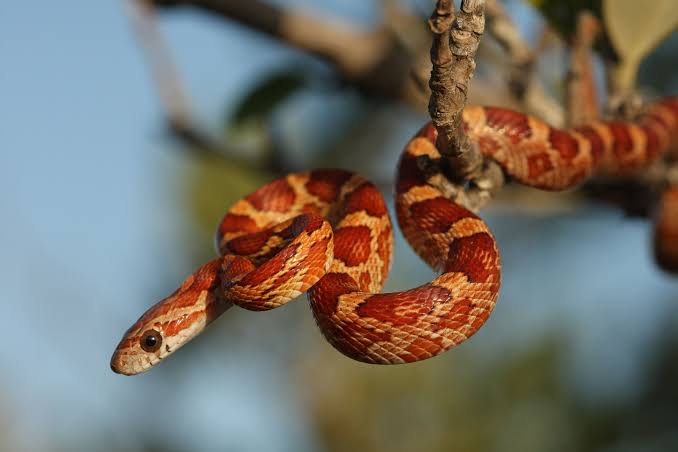
Corn Snake: A Complete Beginner’s Guide to Caring for This Friendly Pet Snake
Introduction
If you’re thinking about getting your first pet snake, the corn snake is one of the best choices you can make. Known for its calm personality, beautiful colors, and simple care requirements, the corn snake has become one of the most popular pet reptiles in the world. Even people who have never owned a snake before often find this species easy to care for and enjoyable to handle.
A corn snake is a non-venomous snake native to North America. It is famous for its gentle nature and attractive patterns, making it an excellent introduction to reptile keeping. Unlike many exotic pets, a healthy doesn’t require constant attention, but it does need proper housing, food, and care.
This beginner-friendly guide explains everything you need to know about owning a. By the end, you’ll understand how to choose, house, feed, and care for one while avoiding common beginner mistakes.
Why the Corn Snake Is Perfect for Beginners
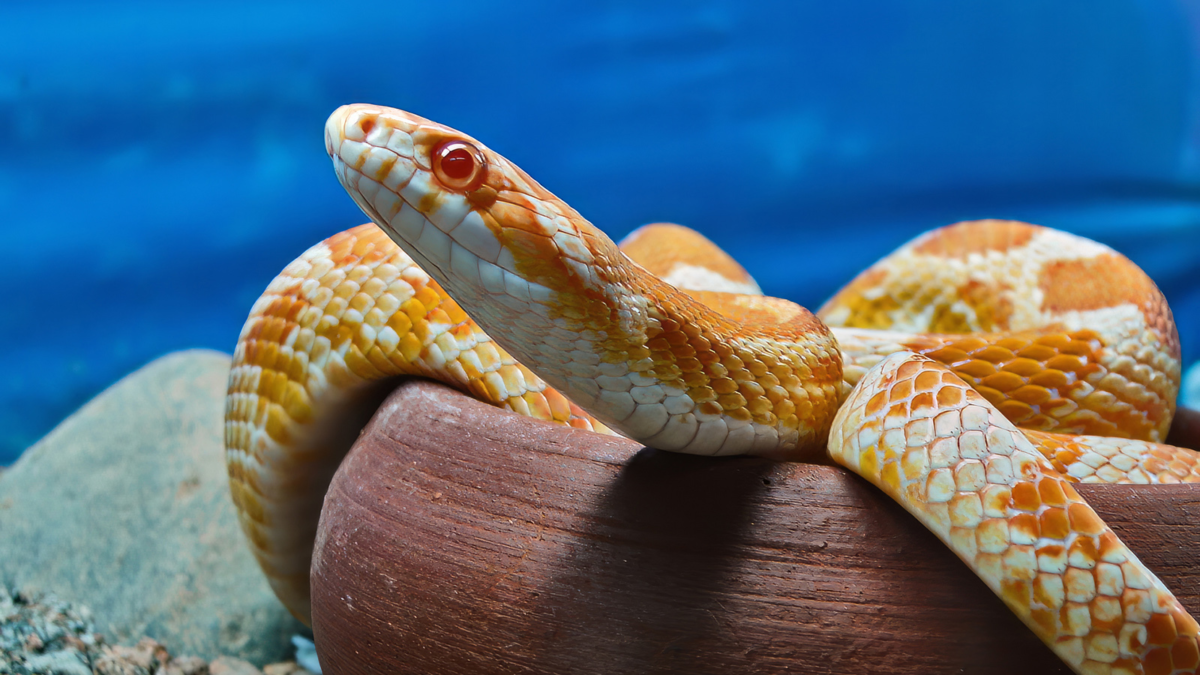
One reason the corn snake is so popular is its easy-going personality. Most individuals become comfortable with gentle handling after they settle into their new home. They rarely show aggression and usually adapt well to life in captivity.
Another advantage is their manageable size. Adults generally grow between 3 and 5 feet long. This makes them large enough to appreciate but small enough for most owners to handle comfortably.
Here are a few reasons beginners love the:
- Calm and gentle temperament
- Non-venomous species
- Easy feeding routine
- Many beautiful color variations
- Affordable care compared with many exotic pets
- Long lifespan with proper care
These qualities make the corn snake an excellent choice for families, students, and anyone interested in learning about reptiles.
Setting Up the Perfect Corn Snake Habitat
A healthy habitat is one of the most important parts of caring for a corn snake. Creating the right environment helps reduce stress and keeps your pet healthy.
Young snakes can begin in a smaller enclosure, while adults need more space to move around comfortably. The enclosure should always have a secure lid because are skilled escape artists.
Your habitat should include:
- A warm side and a cooler side
- Fresh drinking water
- Two hiding places
- Safe bedding
- Climbing branches or decorations
- Proper heating equipment
A temperature gradient allows your corn snake to regulate its body temperature naturally. The warm side should stay warmer than the cool side, allowing the snake to move between areas whenever needed.
Cleaning the enclosure regularly also prevents bacteria and unpleasant odors from building up.
| Feature | Beginner Recommendation |
|---|---|
| Enclosure | Secure glass or PVC terrarium |
| Heating | Heat mat or overhead heat source |
| Water | Fresh water available every day |
| Hides | One on warm side, one on cool side |
| Bedding | Aspen shavings, paper bedding, or reptile-safe substrate |
| Cleaning | Spot clean weekly and deep clean regularly |
Feeding and Daily Care
Feeding a corn snake is much easier than many beginners expect. Most pet corn snakes eat frozen-thawed mice that have been safely warmed before feeding. This is safer than feeding live prey and reduces the risk of injury to the snake.
Young snakes usually eat more often than adults because they are growing quickly. Adult generally eat less frequently.
Practical beginner tips:
- Feed prey that matches the widest part of your snake.
- Always thaw frozen food completely.
- Use feeding tongs instead of your hands.
- Replace drinking water every day.
- Leave your snake alone for about two days after feeding to allow proper digestion.
Handling is another enjoyable part of owning a corn snake. Wait until your snake has settled into its new enclosure before handling it regularly. Keep handling sessions short at first so the snake becomes comfortable without feeling stressed.
With patience, many corn snakes become relaxed and curious during handling sessions.
Understanding Corn Snake Behavior
Learning normal corn snake behavior helps beginners know when their pet is healthy.
A corn snake spends much of its day hiding. This is completely normal because snakes naturally seek shelter for safety. They usually become more active during the evening or nighttime.
You may notice your snake climbing branches, exploring its enclosure, or soaking in its water bowl occasionally. These behaviors are generally normal.
During shedding, your may:
- Become less active
- Refuse food
- Develop cloudy or blue-looking eyes
- Hide more often
Once shedding is complete, your snake usually returns to its normal behavior.
Watching your corn snake regularly helps you recognize changes that might indicate health problems.
Advanced Guidance for Better Corn Snake Care
Once you’re comfortable with the basics, you can improve your corn snake care even further.
Experienced keepers often enrich their snake’s environment with additional climbing branches, textured decorations, and larger enclosures that encourage natural exploration.
Advanced tips include:
- Monitor enclosure temperatures with digital thermometers.
- Track feeding dates and shedding cycles.
- Learn to recognize early signs of illness.
- Research different corn snake color morphs.
- Upgrade the enclosure as your snake grows.
Professional reptile keepers also recommend minimizing unnecessary stress by keeping the enclosure in a quiet location away from constant loud noise or vibrations.
Keeping detailed records helps identify patterns in your snake’s growth, appetite, and overall health.
Common Beginner Mistakes and How to Fix Them
Nearly every first-time owner makes a few mistakes. Fortunately, most are easy to correct.
One common mistake is handling the snake immediately after bringing it home. Give your several days to settle before regular handling.
Another mistake is feeding prey that is too large. Choose appropriately sized food to prevent digestive problems.
Some beginners also forget to provide enough hiding places. A corn snake that feels secure is usually healthier and calmer.
Other mistakes include:
- Using incorrect temperatures
- Forgetting fresh water
- Overhandling during shedding
- Cleaning the enclosure too infrequently
- Leaving small escape gaps in the enclosure
Fixing these issues early makes caring for your corn snake much easier and more enjoyable.
Simple Action Plan for New Corn Snake Owners
If you’re ready to begin, follow these simple steps.
- Research the needs of a corn snake before buying one.
- Purchase a secure enclosure with proper heating.
- Add safe bedding, hides, and fresh water.
- Allow your snake time to adjust after arriving home.
- Feed an appropriately sized frozen-thawed mouse.
- Begin gentle handling after your snake settles.
- Monitor temperature, humidity, feeding, and shedding regularly.
- Schedule a reptile veterinarian visit if you notice unusual behavior.
Following these steps creates a strong foundation for successful ownership.
Why the Corn Snake Matters This Year and Beyond
Interest in reptiles continues to grow as more people discover that many species make rewarding pets. The corn snake remains one of the best beginner reptiles because it combines manageable care with fascinating behavior.
Modern reptile care information is easier to access than ever before. Better equipment, improved heating systems, and higher-quality enclosures help beginners provide healthier environments than in previous years.
As responsible pet ownership becomes more important, learning proper care helps ensure these amazing animals live long, healthy lives.
Whether you’re interested in reptiles as a hobby or considering more advanced species in the future, starting with a corn snake provides valuable experience and confidence.
Frequently Asked Questions
1. Is a corn snake good for beginners?
Yes. The corn snake is widely considered one of the easiest pet snakes for first-time owners because of its calm nature and straightforward care.
2. How often should I feed a corn snake?
Young snakes usually eat more frequently than adults. Feeding schedules depend on the snake’s age, size, and overall health.
3. Does a corn snake bite?
A can bite if frightened, but bites are uncommon and usually minor when the snake is handled gently.
4. How long does a corn snake live?
With proper care, a corn snake can live for many years, making it a long-term companion.
5. Can I handle my corn snake every day?
Short handling sessions are fine once the snake is comfortable, but avoid handling immediately after feeding or during shedding.
Conclusion
The corn snake has earned its reputation as one of the world’s best beginner snakes for good reason. Its friendly personality, manageable size, beautiful appearance, and relatively simple care requirements make it an excellent first reptile.
Success comes from learning the basics, creating a proper habitat, feeding correctly, and observing your snake’s natural behavior. As your experience grows, you’ll become more confident and better able to provide excellent care.
Owning a is both educational and rewarding. With patience, consistency, and the right knowledge, you’ll build a trusting relationship with your pet while enjoying the fascinating world of reptile keeping.


