
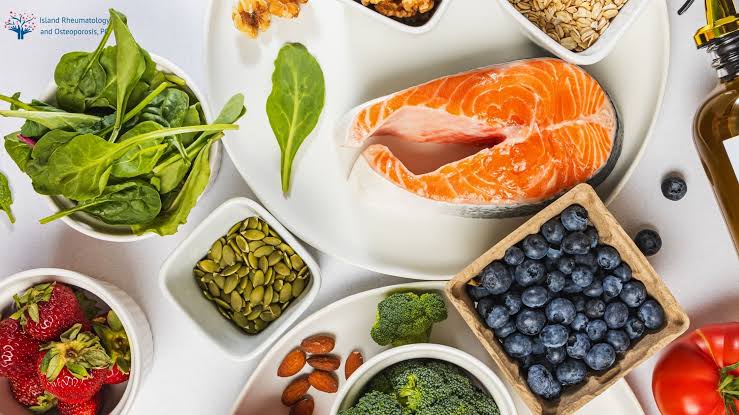
The Complete Guide to the Main Anti Inflammatory Diet: Foods, Benefits, Meal Planning, Science, and Practical Everyday Strategies
Meta description: Discover the main anti inflammatory diet, including foods to eat, foods to limit, meal ideas, science-backed benefits, and practical tips for long-term healthy eating.
Inflammation is one of those health terms that sounds simple until you look closely at what it actually means. Your body uses inflammation as part of its normal defense and repair system. When you get a cut, catch an infection, or strain a muscle, inflammatory processes help the body respond. The problem is not inflammation itself. The concern is persistent, low-grade inflammation that remains active for long periods and may occur alongside metabolic, cardiovascular, and other chronic health problems.
Food cannot switch inflammation off like a light. There is also no single magic ingredient that can guarantee protection from disease. What matters more is the overall anti inflammatory diet pattern: what you eat regularly, what you eat occasionally, how much minimally processed food appears on your plate, and whether your meals provide enough fiber, protein, healthy fats, vitamins, minerals, and plant compounds. Research increasingly supports dietary patterns rich in vegetables, fruits, whole grains, legumes, nuts, seeds, fish, and unsaturated fats, particularly Mediterranean-style eating, as a sensible approach to supporting healthier inflammatory profiles.
The practical advantage is that this way of eating does not require exotic ingredients or a refrigerator full of expensive supplements. It can be adapted to almost any cuisine. A bowl of lentils with tomatoes, spinach, herbs, and olive oil can fit the same nutritional philosophy as a Mediterranean grain bowl or a home-cooked fish dinner. The goal is not perfection. It is to make the healthiest choices the easiest choices most of the time.
What the Main Anti Inflammatory Diet Actually Means
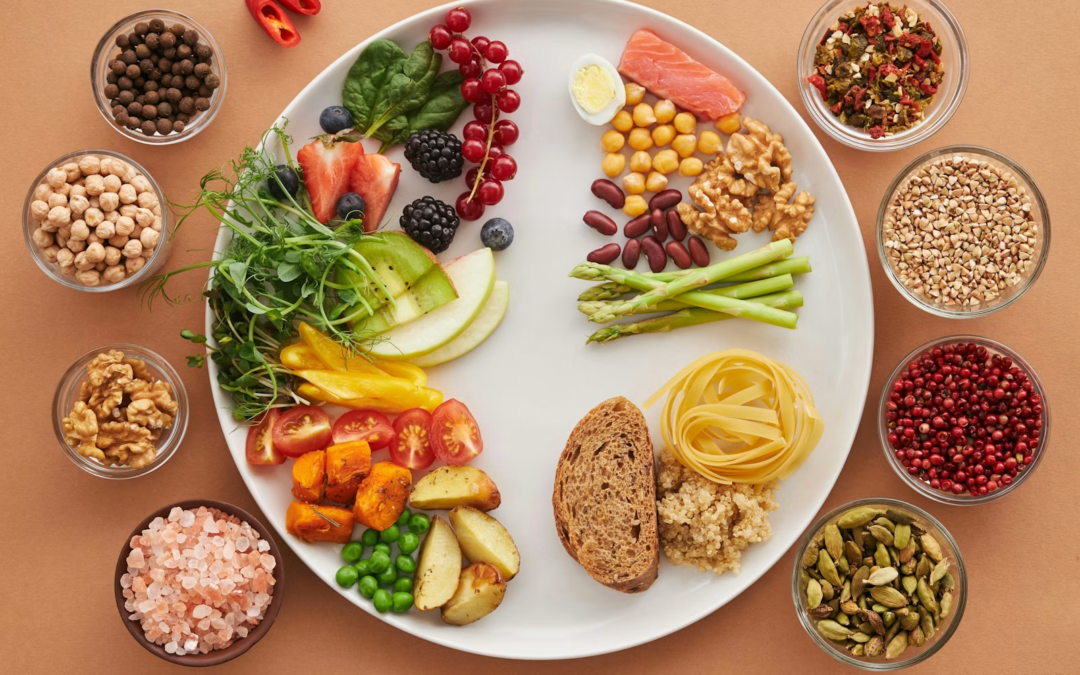
The main anti inflammatory diet is best understood as a pattern of eating rather than a strict medical diet with a universal menu. It emphasizes foods that provide fiber, unsaturated fats, antioxidants, polyphenols, vitamins, minerals, and other biologically active compounds while reducing reliance on heavily processed foods, refined carbohydrates, excess added sugars, and processed meats.
That distinction matters because the body does not respond to one food in isolation. Imagine eating a handful of blueberries and then spending the rest of the day consuming sugary drinks, fried fast food, refined snacks, and processed meat. The blueberries do not magically cancel everything else. In the same way, eating a salmon dinner does not make an otherwise poor anti inflammatory diet pattern healthy. The strongest approach is to improve the entire food environment.
Research supports this pattern-based perspective. Systematic reviews of randomized controlled trials have found that Mediterranean anti inflammatory diet patterns can improve several inflammatory biomarkers, although the size and consistency of effects vary among studies and populations. A 2025 systematic review and meta-analysis involving thirty-three randomized controlled trials found significant reductions in some markers, including high-sensitivity C-reactive protein and interleukin-6, while several other markers did not change significantly.
Why Inflammation Matters to Overall Health
Inflammation is an essential biological process. When the immune system detects a threat, it coordinates chemical signals and immune cells to protect tissues and begin repair. Without this response, the body would struggle to recover from injuries and defend itself against infections. Trying to eliminate all inflammation would therefore be neither possible nor desirable.
The issue is chronic inflammation. Unlike the obvious redness and swelling associated with an acute injury, low-grade systemic inflammation may not produce a clear symptom that you can feel. It can occur in the background of metabolic problems and other chronic conditions. This is why the phrase “reduce inflammation” should not be interpreted as “remove all inflammation.” A more accurate goal is to support healthy immune regulation through an overall healthy lifestyle.
Harvard Health similarly emphasizes that inflammation itself is not automatically harmful. The body’s inflammatory response is protective when it is appropriately activated and resolved. The concern is persistent activation, which can accompany conditions such as obesity, diabetes, and cardiovascular disease.
This is also why anti inflammatory diet advice should be realistic. A person should not interpret every ache, tired morning, or digestive symptom as proof of inflammation. Nor should an eating plan be presented as a replacement for diagnosis or medical treatment. Nutrition is one component of health, alongside sleep, physical activity, stress management, medications when prescribed, genetics, environment, and access to healthcare.
The Core Foods That Make Up This Eating Pattern
Vegetables are one of the foundations of the main anti inflammatory anti inflammatory diet because they deliver a combination of fiber, potassium, folate, carotenoids, polyphenols, and other nutrients. Leafy greens, broccoli, cabbage, peppers, tomatoes, carrots, onions, eggplant, squash, and other colorful vegetables all bring something different to the table.
Color is useful as a practical reminder rather than a rigid rule. Deep green vegetables often provide folate and carotenoids, while red and orange produce can contain compounds such as lycopene and beta-carotene. Purple and blue fruits may contribute anthocyanins. The goal is variety because different plants contain different mixtures of beneficial compounds.
Fruit can also play a major role. Berries, apples, oranges, guava, pomegranate, cherries, pears, kiwi, and other whole fruits provide fiber and naturally occurring plant compounds. Whole fruit is generally more filling than juice because chewing and fiber slow the eating process and help moderate the amount consumed.
Legumes deserve special attention because they combine plant protein, fiber, minerals, and slowly digested carbohydrates. Lentils, chickpeas, kidney beans, black beans, peas, and other pulses can replace some servings of processed or fatty meat while making meals more satisfying. In many South Asian kitchens, legumes are already everyday foods, which makes this style of eating easier to adapt than people sometimes assume.
Healthy Fats and Why They Matter
Fat has often been treated as a single category, but different fats behave differently nutritionally. The main anti inflammatory anti inflammatory diet generally favors unsaturated fat sources such as extra-virgin olive oil, nuts, seeds, avocado, and oily fish while limiting large amounts of saturated fat and highly processed fried foods.
Extra-virgin olive oil is particularly associated with Mediterranean-style eating. It contains monounsaturated fat as well as numerous plant compounds. It can be used for salad dressings, vegetables, beans, grains, and moderate-heat cooking. The broader lesson is not that olive oil is a medicine but that replacing less favorable fats with unsaturated fats can improve the nutritional quality of a meal.
Nuts and seeds are another useful category. Walnuts, almonds, pistachios, chia seeds, flaxseeds, pumpkin seeds, and sesame seeds can add healthy fats, fiber, minerals, and protein. Because they are energy-dense, portion awareness still matters, especially for people trying to manage body weight. A small handful can be useful; eating directly from a large bag makes it surprisingly easy to consume much more than intended.
Fatty fish such as salmon, sardines, trout, and mackerel provide omega-3 fatty acids, particularly EPA and DHA. These fats have been studied extensively for their roles in cardiovascular and metabolic health. Fish also provides high-quality protein and several micronutrients, making it more than simply an omega-3 delivery vehicle.
Whole Grains, Fiber, and Metabolic Health
Whole grains are another important piece. Oats, barley, brown rice, whole-wheat products, quinoa, buckwheat, and other intact or minimally processed grains provide more fiber and micronutrients than refined grain products. They can also make meals more filling and support a more gradual digestion of carbohydrate.
Fiber is particularly important because it affects much more than digestion. Certain types of anti inflammatory diet fiber are fermented by gut microorganisms, producing short-chain fatty acids such as butyrate. These compounds are part of the complex communication network between the gut and the rest of the body. Research into the gut microbiome is still developing, so it would be too simplistic to say that one fiber-rich food directly prevents inflammation, but a diverse, fiber-rich diet is consistently associated with better overall nutritional quality.
A practical example is the difference between a breakfast made from a sweet pastry and sugary drink versus one made from oats, berries, plain yogurt, walnuts, and cinnamon. Both provide calories, but the second meal supplies substantially more fiber, protein, micronutrients, and unsaturated fats.
This is one reason anti inflammatory diet quality often matters more than individual “superfoods.” A person who regularly eats whole grains, vegetables, beans, nuts, and fruit is building a dietary foundation that works across many meals rather than relying on one celebrated ingredient.
Foods to Limit Without Turning Eating Into a Punishment
A healthy eating pattern does not require declaring every less nutritious food forbidden. Instead, foods high in added sugar, refined starches, sodium, saturated fat, or highly processed ingredients are generally better treated as occasional foods rather than everyday foundations.
Sugary drinks are an obvious example. Soda, sweetened energy drinks, heavily sweetened tea, and other sugar-sweetened beverages can deliver substantial amounts of sugar without providing the satiety associated with chewing whole foods. Replacing them with water, sparkling water, unsweetened tea, or another low-sugar option is often one of the simplest anti inflammatory diet improvements available.
Highly processed foods can vary enormously, so the term should not be used as a synonym for “bad.” Some packaged foods are nutritious and convenient. Canned beans, frozen vegetables, plain yogurt, and canned fish can be excellent choices. The concern is a pattern dominated by products such as sugary cereals, packaged desserts, processed meats, refined snack foods, and heavily sweetened beverages.
Harvard Health’s current guidance similarly emphasizes whole or minimally processed foods while recommending limits on highly processed foods, refined grains, processed meats, deep-fried foods, and foods with large amounts of added sugar.
A Practical Food Comparison
| Food category | Better everyday emphasis | Foods to keep occasional | Why the distinction matters |
|---|---|---|---|
| Vegetables | Leafy greens, broccoli, peppers, tomatoes, carrots | Deep-fried vegetables | More fiber and plant compounds with less added fat |
| Fruit | Whole berries, apples, oranges, guava, cherries | Sugary fruit desserts | Whole fruit provides fiber and micronutrients |
| Protein | Fish, beans, lentils, poultry, nuts | Processed meats | Supports protein intake while reducing reliance on processed meat |
| Grains | Oats, barley, brown rice, whole grains | Refined pastries and highly sweetened cereals | More fiber and nutritional density |
| Fats | Olive oil, nuts, seeds, avocado | Trans-fat-rich and heavily fried foods | Greater emphasis on unsaturated fats |
| Drinks | Water, unsweetened tea, plain coffee | Sugary sodas and sweetened beverages | Reduces liquid added sugar |
| Snacks | Fruit, nuts, yogurt, vegetables with hummus | Candy and highly processed snack foods | More protein, fiber, and micronutrients |
| Desserts | Fruit-based or lightly sweetened options | Frequent large sugary desserts | Helps moderate added sugar intake |
The table is not intended to create a rigid “clean versus dirty” food system. Context matters. A packaged food can be nutritious, and a homemade food can still be high in sugar or saturated fat. The more useful question is whether the food contributes something valuable to the overall anti inflammatory diet.
The Role of the Mediterranean Diet
When nutrition researchers discuss anti inflammatory diet patterns associated with healthier inflammatory profiles, the Mediterranean anti inflammatory diet receives considerable attention. Traditional Mediterranean-style eating emphasizes vegetables, fruits, legumes, whole grains, nuts, seeds, fish, olive oil, and other minimally processed foods, while red meat, processed meat, sweets, and highly processed foods tend to play smaller roles.
The appeal is not simply that Mediterranean meals contain “anti-inflammatory foods.” The entire pattern works together. A meal might include vegetables cooked in olive oil, beans or fish for protein, whole grains for carbohydrates, herbs for flavor, and fruit afterward. Such a meal naturally combines fiber, unsaturated fat, protein, micronutrients, and plant compounds.
Systematic evidence supports this broader approach. One review of randomized controlled trials found that Mediterranean anti inflammatory diet interventions produced meaningful differences in several inflammatory markers compared with control diets. A later umbrella review covering thirty systematic reviews and 225 primary studies also found favorable associations between Mediterranean dietary patterns and markers such as C-reactive protein and interleukin-6, although the certainty of evidence varied.
The lesson is important: the Mediterranean anti inflammatory diet is not valuable because it contains one miraculous food. It is valuable because it provides a coherent struct ure for consistently eating a wide range of nutrient-dense foods.
How the Gut Microbiome Fits Into the Picture
The gut microbiome is a community of microorganisms living primarily in the digestive tract. anti inflammatory diet influences the food available to these microbes, which can affect the compounds they produce. Fiber-rich plant foods are especially important because some types of fiber are fermented by gut bacteria.
This does not mean you can “feed good bacteria” with one particular ingredient and immediately fix inflammation. The microbiome is extraordinarily complex, and researchers are still determining how specific microbial changes translate into health outcomes. Still, anti inflammatory diet diversity and adequate fiber are reasonable targets because they support overall digestive and nutritional health.
Mediterranean-style anti inflammatory diet have been associated with changes in gut microbial composition and microbial metabolites. Harvard Health has highlighted research examining how a Mediterranean-style dietary pattern may influence gut bacteria in older adults.
A useful everyday analogy is to think of the gut microbiome as a garden. A diverse garden generally needs variety rather than a single plant. Similarly, a diverse anti inflammatory diet supplies different fibers and plant compounds that can support a more varied microbial ecosystem. That analogy is not a complete biological explanation, but it is a practical way to understand why dietary diversity matters.
Antioxidants, Polyphenols, and Plant Compounds
Antioxidants are frequently mentioned in nutrition marketing, sometimes in ways that exaggerate their effects. The human body already has sophisticated antioxidant systems, and consuming more of a particular antioxidant does not automatically produce better health. Food is more complicated than a capsule containing one isolated compound.
Plants contain thousands of bioactive compounds, including polyphenols and carotenoids. These substances can interact with cellular pathways, oxidative processes, gut microorganisms, and other biological systems. Foods such as berries, grapes, onions, tomatoes, leafy greens, herbs, spices, cocoa, tea, and coffee contain various plant compounds that researchers continue to study.
This is another reason variety is more sensible than obsessing over one “superfood.” Instead of asking which single ingredient has the strongest anti-inflammatory effect, build meals that contain multiple plant foods. A lentil salad with tomatoes, parsley, cucumber, onions, olive oil, lemon, and seeds provides a far broader nutritional spectrum than a meal centered around a single fashionable ingredient.
Harvard Health notes that colorful fruits and vegetables provide antioxidants and polyphenols, while foods such as nuts, olive oil, fish, and certain beverages can contribute additional compounds associated with healthier inflammatory profiles.
Herbs and Spices as Flavor Tools
Herbs and spices can make a healthier anti inflammatory diet pattern much easier to follow because they add flavor without requiring large quantities of sugar, heavy sauces, or excessive salt. Garlic, ginger, turmeric, cinnamon, cumin, coriander, black pepper, rosemary, oregano, parsley, mint, and chili can transform simple foods.
Turmeric receives particular attention because it contains curcumin, a compound with biological activity that has been studied extensively. However, the evidence surrounding turmeric supplements is not equivalent to evidence showing that turmeric-containing foods will treat a disease. Cooking with turmeric is a reasonable culinary practice; using concentrated supplements for a medical purpose is a different decision that should be discussed with a qualified healthcare professional.
The same principle applies to ginger and cinnamon. They can be nutritious additions to meals, but they should not be presented as replacements for evidence-based treatment. A better mindset is to use herbs and spices to make vegetables, beans, whole grains, fish, and other healthy foods enjoyable.
This matters more than it may sound. If healthy food tastes boring, adherence becomes difficult. Flavor is part of sustainability. A bowl of beans seasoned with garlic, cumin, tomatoes, herbs, lemon, and olive oil can be far more satisfying than a plain bowl of beans eaten because a anti inflammatory diet plan says it is “healthy.”
Building a Balanced Plate
A balanced plate is one of the easiest ways to translate nutrition theory into action. Rather than calculating every nutrient at every meal, start with a generous serving of vegetables or other plant foods. Add a source of protein, choose a high-fiber carbohydrate when appropriate, and include a moderate amount of unsaturated fat.
For example, lunch might contain grilled fish, roasted vegetables, lentils, a small serving of brown rice, and a salad dressed with olive oil and lemon. Another meal might include chickpea curry, spinach, tomatoes, whole-grain roti, cucumber, and plain yogurt. Both meals can fit the same principles even though their flavors and cultural traditions are completely different.
The plate method also helps prevent an all-or-nothing mindset. You do not need to remove carbohydrates, eliminate every animal product, or eat only raw vegetables. A healthy anti inflammatory diet can include many different cuisines and eating styles as long as the overall pattern remains nutrient-dense.
This flexibility is particularly useful for families. If everyone can eat the same basic meal, there is less pressure to prepare a separate “diet meal.” Vegetables, beans, fish, whole grains, fruit, yogurt, and nuts can be combined in countless ways.
Breakfast Ideas That Support the Pattern
Breakfast is often where anti inflammatory diet habits become repetitive. A person who begins every morning with refined carbohydrates and a sugary drink may find it difficult to improve the rest of the day. The solution does not have to be complicated. Focus on protein, fiber, fruit or vegetables, and healthy fats.
Oatmeal topped with berries, walnuts, chia seeds, and plain yogurt is one example. Eggs with spinach, tomatoes, whole-grain toast, and avocado are another. A bowl of plain yogurt with fruit, nuts, and oats can work when cooking time is limited. In South Asian households, vegetable omelets, chickpea dishes, lentil-based breakfasts, or whole-grain roti paired with protein-rich foods can also fit.
The key is not to create a “perfect breakfast.” It is to avoid building the meal around refined sugar and then trying to compensate later. A satisfying breakfast can make it easier to manage hunger and reduce the temptation to rely on highly processed snacks.
Coffee and tea can also fit comfortably for many people when consumed without large amounts of added sugar. Coffee and tea contain plant compounds, but the healthiest choice depends on what is added. A heavily sweetened coffee drink can become more like a dessert than a simple beverage.
Lunch Strategies for Busy Days
Lunch often fails because convenience wins. When people are busy, the easiest option may be a refined sandwich, fried snack, or takeaway meal. Planning does not need to mean preparing an elaborate menu. A few reliable ingredients can make quick meals much easier.
Cooked beans or lentils can be stored for several meals. Washed vegetables can be prepared ahead of time. Brown rice, oats, whole-grain bread, canned fish, plain yogurt, nuts, and frozen vegetables can serve as practical building blocks. These foods make it possible to assemble a meal without starting from zero.
A useful lunch formula is protein plus plants plus a high-fiber carbohydrate plus a flavorful fat or sauce. For example, chickpeas, cucumber, tomatoes, greens, whole grains, and tahini can become a filling bowl. Tuna or salmon can be combined with beans and vegetables. Leftover roasted vegetables can be added to eggs or whole grains.
This approach also reduces food waste because ingredients can be reused in different meals. A tray of roasted vegetables can appear in lunch, dinner, a grain bowl, or an omelet. Healthy eating becomes easier when ingredients have multiple uses.
Dinner Patterns That Are Easy to Maintain
Dinner is often the largest meal, especially in families where cooking is a social activity. There is no reason to eliminate traditional dishes. Instead, consider how the meal is constructed. Can vegetables become more prominent? Can beans or fish appear more often? Can refined grains be partly replaced with whole grains? Can frying be replaced by roasting, grilling, steaming, or sautéing?
A simple fish dinner might combine baked salmon, roasted broccoli, lentils, and a tomato-cucumber salad. A vegetarian dinner could feature chickpea and vegetable stew with whole-grain bread and plain yogurt. Another option could be chicken cooked with vegetables, herbs, garlic, and olive oil, served alongside a high-fiber grain.
Sauces deserve attention because they can quietly add sugar, sodium, and saturated fat. Homemade sauces based on yogurt, herbs, lemon, tahini, tomatoes, or olive oil can provide flavor while allowing more control over ingredients.
The goal is not to make dinner look like a magazine photograph. Real healthy meals are sometimes messy, repetitive, or built from leftovers. Consistency beats culinary perfection.
Snacks Without the Constant Diet Mentality
Snacking can either support or undermine a anti inflammatory diet pattern. The easiest strategy is to keep nourishing options visible and convenient. Fruit, nuts, plain yogurt, hummus with vegetables, roasted chickpeas, or whole-grain crackers can work depending on individual calorie and protein needs.
However, snacks are not automatically necessary. Some people prefer three satisfying meals and rarely feel hungry between them. Others need snacks because of work schedules, exercise, medication requirements, or personal appetite. There is no universal rule that everyone must eat a particular number of times each day.
The more useful question is why a person is snacking. Physical hunger is different from boredom, stress, habit, or simply seeing food. Recognizing that distinction can improve eating behavior without turning food into a moral issue.
If sweets are part of life, moderation can be more sustainable than strict prohibition. Someone who enjoys a small dessert after dinner does not need to believe that the entire day’s healthy eating has been ruined. One food does not determine the quality of a anti inflammatory diet pattern.
Hydration and Beverage Choices
Water is the simplest beverage foundation. Adequate fluid intake supports normal physiological functions, although individual needs vary with body size, activity, temperature, anti inflammatory diet , and health conditions.
Unsweetened tea and coffee can also fit many healthy anti inflammatory diet patterns. Herbal teas can provide variety without added sugar. Sparkling water with lemon, mint, cucumber, or fruit can be useful for people who dislike plain water.
The biggest issue is often liquid sugar. Sweetened beverages can add significant calories without providing the fiber and chewing associated with whole foods. Reducing these drinks can therefore be a high-impact change, particularly for people who consume them frequently.
Alcohol deserves individualized consideration. It is not necessary for a healthy anti inflammatory diet , and people who do not drink should not start because they have heard that certain alcoholic beverages contain beneficial compounds. Anyone who drinks should consider the health risks and relevant medical guidance for their circumstances.
How Weight Management Interacts With Inflammation
Body fat, particularly excess visceral fat around internal organs, is metabolically active. Weight gain can be associated with changes in inflammatory signaling, while improving body composition can benefit metabolic health. This does not mean every person with a larger body is unhealthy or that weight is a simple measure of inflammation.
A nutrient-dense anti inflammatory diet pattern can support weight management because vegetables, legumes, whole grains, protein-rich foods, and fruit can provide substantial satiety relative to their energy density. Healthy fats are valuable too, but they are calorie-dense, so portion awareness remains relevant.
The main anti inflammatory diet should therefore not be treated as a crash diet. Extreme restriction can be difficult to sustain and may create an unhealthy relationship with food. A better strategy is gradual improvement: more vegetables, more fiber, better protein sources, fewer sugary beverages, fewer heavily processed foods, and appropriate portions.
Weight is only one health measure. Blood pressure, blood glucose, lipid levels, physical fitness, sleep quality, energy, and overall well-being can all provide useful information about progress.
Exercise, Sleep, and Stress Still Matter
Diet is important, but it does not operate independently. Regular physical activity supports cardiovascular fitness, insulin sensitivity, muscle health, mood, and overall metabolic function. Exercise does not need to mean an intense gym program. Walking, cycling, swimming, strength training, recreational sports, and active daily routines can all contribute.
Sleep is similarly important. Poor sleep can influence appetite regulation, energy, mood, and metabolic health. A person who eats an excellent anti inflammatory diet but consistently sleeps very little is still missing a major part of the health equation.
Stress management matters too. Chronic psychological stress can influence eating behavior and physiological processes. Stress may lead some people toward convenience foods, emotional eating, or disrupted meal patterns. Building simple routines around food, movement, relaxation, and sleep can therefore make anti inflammatory diet changes more sustainable.
A useful principle is that healthy eating works best as part of a healthy lifestyle rather than as a single intervention expected to solve everything.
Common Mistakes People Make
One common mistake is becoming obsessed with individual “inflammatory” foods. A person may remove tomatoes, dairy, grains, or nightshade vegetables based on something read online without having a clear reason. Unless there is an allergy, intolerance, medical indication, or personal response, unnecessary restriction can reduce anti inflammatory diet variety.
Another mistake is buying large numbers of supplements. Curcumin, omega-3 capsules, antioxidant products, and other supplements are heavily marketed for inflammation. Supplements can have legitimate medical uses, but they are not interchangeable with a high-quality anti inflammatory diet . Some can also interact with medications or be inappropriate for certain health conditions.
A third mistake is treating food as morally good or bad. Eating a cookie does not make someone unhealthy, just as eating kale does not guarantee health. This black-and-white mindset can create cycles of restriction and overeating.
A fourth mistake is trying to change everything overnight. The best anti inflammatory diet is usually the one a person can maintain. Replacing one sugary drink, adding vegetables to lunch, cooking beans twice a week, and choosing whole grains more often may produce a more durable result than a dramatic seven-day overhaul.
Problem and Solution: When Healthy Eating Feels Expensive
Healthy food does not have to mean expensive specialty products. Frozen vegetables can be highly practical. Dried beans and lentils are often economical sources of protein and fiber. Seasonal fruits may cost less than imported produce. Oats, whole grains, canned fish, eggs, and plain yogurt can also serve as affordable staples depending on local prices.
The biggest cost-saving strategy is often cooking more meals at home. Restaurant meals and convenience foods can be expensive while providing large portions of refined carbohydrates, sodium, or added fats. Batch cooking allows one preparation session to produce multiple meals.
For example, a large pot of lentils can become lunch one day, a filling for wraps another day, and part of a vegetable stew later. Roasted vegetables can be repurposed into salads, grain bowls, omelets, or sandwiches.
Healthy eating becomes financially realistic when you focus on food categories rather than trendy products. You do not need imported berries, premium powders, expensive oils, or branded “detox” products to build a nutritious anti inflammatory diet.
Problem and Solution: When Family Members Eat Differently
Families often have different preferences. One person may love vegetables while another refuses them. Someone may need higher protein, another may have a food allergy, and children may have different nutritional requirements. Trying to impose one identical plate on everyone can create unnecessary conflict.
A better approach is to create meals from shared components. Cook one protein, one grain or starchy food, several vegetables, and a few sauces or toppings. Each person can assemble a meal according to preference while still eating from the same basic food environment.
For example, a family dinner might include grilled chicken, chickpeas, roasted vegetables, whole-grain flatbread, salad, yogurt sauce, and fruit. One person can eat more vegetables, another more chicken, and another more chickpeas.
This flexible model respects individual preferences without turning the kitchen into a short-order restaurant. It also teaches children that vegetables, beans, whole grains, and fruit are normal parts of everyday meals.
Problem and Solution: When Eating Out Is Unavoidable
Eating out does not automatically destroy a healthy anti inflammatory diet pattern. The key is to look at the structure of the meal. Choose grilled, baked, steamed, or roasted proteins more often than heavily fried options. Add vegetables where possible. Choose beans, lentils, whole grains, or other high-fiber sides when available.
Sauces and dressings can be ordered separately when practical. Sugary drinks can be replaced with water or unsweetened beverages. Portion sizes can be adjusted according to hunger rather than the assumption that everything served must be finished.
Cultural cuisine also offers many naturally compatible choices. Grilled fish, lentil dishes, vegetable curries, bean soups, salads, grilled meats with vegetables, and grain-based meals can all fit the broader pattern.
The goal is not to turn restaurants into laboratories. A sensible meal enjoyed with other people can be part of a healthy life.
Adapting the Pattern to South Asian Cuisine
South Asian cuisine can fit very naturally into this eating style because lentils, chickpeas, beans, vegetables, herbs, spices, yogurt, whole grains, and fish are already common ingredients. The challenge is often preparation method rather than the ingredient itself.
A vegetable curry can become more nutrient-dense when vegetables make up a substantial portion of the dish and the amount of added oil is appropriate. Dal provides protein and fiber. Chana and rajma can be excellent plant-based staples. Fish can be grilled or baked instead of deep-fried.
Whole-grain roti can be paired with vegetables and protein-rich dishes. Brown rice or other minimally processed grains can be used where they are culturally and personally acceptable. Fresh salads can add crunch, hydration, and fiber.
The point is not to replace traditional cuisine with Western health food. A culturally familiar anti inflammatory diet is often easier to maintain because it preserves taste, family traditions, and social enjoyment.
Adapting the Pattern to Different Dietary Preferences
Vegetarian anti inflammatory diet can fit well because legumes, whole grains, vegetables, fruit, nuts, seeds, and dairy or fortified alternatives can provide a broad range of nutrients. Protein deserves particular attention, especially for people with higher protein needs.
Vegan diets can also be structured around beans, lentils, tofu, tempeh, peas, nuts, seeds, whole grains, and fortified foods. Vitamin B12 requires particular attention in fully plant-based anti inflammatory diet because reliable sources are limited without fortified foods or supplementation.
People who eat meat do not necessarily need to remove it completely. Poultry and fish can be emphasized, while processed meats and large amounts of red meat can be limited. This is consistent with the broader pattern seen in Mediterranean-style anti inflammatory diet guidance.
Gluten-free eating is another example where unnecessary restriction can reduce whole-grain options. People with celiac disease or medically diagnosed gluten-related conditions require appropriate avoidance, but others generally do not need to eliminate gluten simply because they want to eat for better health.
Meal Planning Without Overcomplication
Meal planning works best when it reduces decisions rather than creating a complicated schedule. Choose a few breakfasts, lunches, dinners, and snacks that you genuinely enjoy. Rotate ingredients so shopping remains simple.
A practical weekly foundation might include oats, eggs, yogurt, fruit, leafy greens, several vegetables, lentils, beans, fish or poultry, nuts, seeds, whole grains, olive oil, herbs, and spices. These ingredients can produce dozens of combinations.
Batch preparation can be especially helpful. Cook a pot of lentils, prepare a grain, wash vegetables, and roast a tray of mixed produce. Store ingredients separately so meals can be assembled differently throughout the week.
Planning should also account for real life. Keep a few emergency meals available for busy days. Canned beans, frozen vegetables, eggs, whole-grain bread, tuna, plain yogurt, and fruit can make a surprisingly balanced meal when time is short.
How to Read Food Labels More Intelligently
Food labels can be useful, but they can also become overwhelming. Start with the serving size because every number that follows depends on it. Then look at protein, fiber, saturated fat, added sugars, and sodium in context.
Ingredients are particularly useful for identifying heavily sweetened products and highly processed formulations. A long ingredient list is not automatically unhealthy, and a short list is not automatically nutritious. What matters is what the ingredients actually are.
Nutrition claims such as “natural,” “multigrain,” “light,” or “made with whole grains” should not replace reading the label. A product can contain a small amount of whole grain while still being primarily refined flour.
The most useful label habit is comparison. If two products serve the same purpose, compare their fiber, protein, added sugar, sodium, and saturated fat. Choose the one that better fits your overall anti inflammatory diet goals.
What the Research Really Says
The evidence supporting the main anti inflammatory anti inflammatory diet is promising, but responsible nutrition writing should avoid overstating it. Randomized trials and systematic reviews provide evidence that certain dietary patterns, particularly Mediterranean-style diets, can influence inflammatory biomarkers. However, biomarkers are not the same thing as guaranteed clinical outcomes.
A systematic review of randomized controlled trials published in 2022 found evidence that Mediterranean anti inflammatory diet could improve several inflammatory markers, while also noting the need for more consistent research designs.
More recent evidence has strengthened the picture without making it absolute. A 2025 meta-analysis of randomized trials found significant reductions in some markers, including hs-CRP and IL-6, but not every inflammatory marker changed significantly. That pattern is exactly why careful language matters.
An umbrella review published in 2025 examined thirty reviews covering 225 primary studies and found favorable evidence for Mediterranean and, to a lesser extent, vegetarian anti inflammatory diet patterns in relation to certain inflammatory markers. The authors also emphasized differences in evidence certainty and the need for additional research.
In other words, the science supports a healthy anti inflammatory diet pattern, not a miracle cure.
Understanding Inflammatory Biomarkers
C-reactive protein, or CRP, is one commonly measured marker associated with inflammation. High-sensitivity CRP, often abbreviated hs-CRP, can be used in certain clinical contexts to assess low levels of inflammation and cardiovascular risk.
Interleukins such as IL-6 are signaling molecules involved in immune and inflammatory processes. Tumor necrosis factor-alpha, or TNF-alpha, is another inflammatory signaling molecule frequently studied in research.
These biomarkers are useful research tools, but they should not be interpreted without clinical context. A single laboratory value cannot tell the entire story of a person’s health. Infections, injuries, chronic conditions, medications, body composition, and other factors can influence inflammatory markers.
This is why nutrition claims based on a single blood test can be misleading. The goal of healthy eating should be broader than chasing a laboratory number. Better anti inflammatory diet quality can support cardiovascular, metabolic, digestive, and overall health even when no inflammation test is being performed.
Why Supplements Are Not the Foundation
Supplements are attractive because they promise convenience. Instead of changing meals, a person can swallow a capsule containing turmeric, fish oil, antioxidants, or another compound. But nutrition is not simply a matter of collecting isolated substances.
Whole foods contain complex mixtures of nutrients and bioactive compounds. They also influence satiety, digestion, microbial fermentation, and the overall composition of meals. A supplement cannot reproduce that entire experience.
Some supplements are appropriate for specific nutritional deficiencies or medical situations. Vitamin B12, vitamin D, iron, folate, calcium, or omega-3 supplements may be recommended in particular circumstances. The correct choice depends on anti inflammatory diet, laboratory findings, age, medications, pregnancy status, medical conditions, and other factors.
People taking prescription medications should be especially careful with concentrated supplements because interactions are possible. “Natural” does not automatically mean risk-free.
Who Should Be More Careful With Dietary Changes
Most healthy adults can improve anti inflammatory diet quality gradually without major problems, but certain groups should obtain individualized advice before making substantial dietary changes. This includes people with kidney disease, significant gastrointestinal conditions, diabetes requiring medication adjustments, eating disorders, complex food allergies, pregnancy-related nutritional needs, or other medical conditions.
Children and teenagers have different nutritional requirements from adults. Older adults may need particular attention to protein, calcium, vitamin D, hydration, and overall energy intake. Athletes may require more carbohydrates and protein depending on training demands.
People taking medications that affect blood sugar, blood pressure, blood clotting, or other physiological systems may need to consider how anti inflammatory diet changes interact with treatment.
The broad principles of nutritious eating remain useful, but individual medical care should always take priority over a generalized anti inflammatory diet template.
A Sample Day of Balanced Eating
A practical day could begin with oats cooked with milk or a fortified alternative, topped with berries, walnuts, chia seeds, and cinnamon. Unsweetened coffee or tea could accompany the meal. This breakfast provides a combination of carbohydrate, protein, fiber, and unsaturated fat.
Lunch might feature lentils or chickpeas with a large salad containing tomatoes, cucumber, leafy greens, onions, herbs, and olive oil. A serving of whole-grain bread or another high-fiber carbohydrate could make the meal more substantial. Fruit could serve as dessert.
Dinner could include grilled or baked fish, roasted vegetables, a serving of brown rice or another whole grain, and a yogurt-based herb sauce. If fish is not preferred, beans, tofu, poultry, or another protein source can be substituted.
A snack, if needed, could be fruit with a small handful of nuts or plain yogurt with seeds. The exact calories and portions would depend on individual needs. The point is to demonstrate how the major food groups can fit together naturally.
A Sample Vegetarian Day
Breakfast could consist of vegetable eggs with spinach, tomatoes, mushrooms, and onions, accompanied by whole-grain toast and fruit. A plant-based alternative could use tofu or another protein-rich food.
Lunch might be a chickpea and vegetable bowl with quinoa, leafy greens, cucumber, tomatoes, herbs, tahini, and lemon. The combination provides plant protein, fiber, unsaturated fat, and a broad range of micronutrients.
Dinner could feature lentil and vegetable stew with whole-grain flatbread, a fresh salad, and plain yogurt or a fortified plant-based alternative. Fruit can provide a simple dessert.
This example demonstrates that a vegetarian pattern does not have to revolve around salads. Beans, lentils, tofu, eggs, yogurt, whole grains, vegetables, nuts, and seeds can create hearty meals with plenty of texture and flavor.
A Sample Day for Someone Who Eats Meat
Breakfast could include eggs, vegetables, whole-grain toast, fruit, and unsweetened tea or coffee. Lunch might feature grilled chicken with a large salad, chickpeas, and a whole grain.
Dinner could include a moderate portion of lean meat alongside roasted vegetables, lentils, and a whole-grain side. Fish could replace meat on another day.
The important distinction is frequency and overall pattern. Meat does not have to disappear for the anti inflammatory diet to become healthier. The bigger opportunity may be reducing processed meats, limiting heavily fried preparations, increasing vegetables and legumes, and making fish and plant proteins more prominent.
This approach tends to be more practical than a sudden demand for complete anti inflammatory diet transformation.
How to Make Healthy Eating Sustainable
Sustainability is perhaps the most overlooked part of nutrition advice. A anti inflammatory diet that looks perfect on paper but feels miserable in real life will probably not last.
Start with the foods you already like. If you enjoy rice, keep rice and improve what surrounds it. If you enjoy bread, choose higher-fiber varieties when practical and pair them with protein and vegetables. If you enjoy curry, increase vegetables and legumes rather than abandoning the cuisine.
Use gradual substitutions. Replace one sugary drink with water. Add a vegetable to lunch. Choose nuts instead of a highly processed snack a few times each week. Cook fish more often. Add beans to soups and stews.
These changes may appear small, but habits compound. The purpose of a anti inflammatory diet pattern is not to win a nutrition challenge for a week. It is to create a way of eating that still feels normal months and years later.
The Importance of Enjoyment and Culture
Food is not merely fuel. It is connected to family, identity, celebrations, memory, hospitality, and pleasure. A nutrition plan that ignores these realities can become socially isolating.
The strongest version of the main anti inflammatory anti inflammatory diet is therefore adaptable. A Mediterranean household may use olive oil, lentils, tomatoes, fish, herbs, and whole grains. A South Asian household may use dal, chickpeas, vegetables, spices, yogurt, whole grains, and fish. An East Asian household may use vegetables, tofu, fish, soy foods, whole grains, and fermented foods.
Different cuisines can share nutritional principles without tasting the same.
This flexibility is one of the biggest advantages of pattern-based eating. You do not need to imitate another culture’s menu to eat well. You can improve the food traditions you already understand.
Myths That Deserve a Closer Look
One myth is that inflammation comes only from unhealthy foods. In reality, inflammation is influenced by many biological and environmental factors. anti inflammatory diet is important, but it is only one part of the picture.
Another myth is that eating enough turmeric, ginger, berries, or another fashionable ingredient can “cancel out” a poor anti inflammatory diet . There is no nutritional reset button. A handful of healthy food cannot erase a consistently poor overall pattern.
A third myth is that carbohydrates automatically cause inflammation. Carbohydrates include vegetables, fruits, legumes, oats, whole grains, and refined sugars. These foods are not nutritionally equivalent. The quality, processing, portion, and overall anti inflammatory diet context matter.
A fourth myth is that all dairy or all meat must be eliminated. Individual responses differ, and dietary patterns can be built with or without these foods. What matters is whether the overall diet meets nutritional needs and supports health.
Harvard Health specifically warns against oversimplifying inflammation and emphasizes that the goal is not to eliminate normal inflammatory responses but to support healthy regulation.
How to Track Progress Without Becoming Obsessed
Progress can be measured through practical behaviors rather than constantly checking inflammation-related biomarkers. Track how often you eat vegetables, how frequently you consume legumes, how often fish appears, how much water you drink, and how often sugary drinks or highly processed foods appear.
Energy, digestion, physical performance, sleep, and satisfaction can also provide useful feedback. If a diet leaves you constantly hungry, exhausted, or socially isolated, it may need adjustment even if it looks impressive on paper.
Medical measurements such as blood pressure, cholesterol, blood glucose, and body composition may be relevant depending on individual circumstances. These should be interpreted by qualified healthcare professionals when appropriate.
A useful rule is to measure what you can realistically improve. “Eat more vegetables this week” is a controllable behavior. “Lower inflammation immediately” is much less specific and may not even be measurable without medical testing.
A Simple Grocery Strategy
A practical grocery cart can be built around several broad categories: vegetables, fruits, legumes, whole grains, protein sources, healthy fats, and flavor ingredients.
Choose several vegetables rather than buying one large quantity of the same item. Pick fresh, frozen, or canned forms according to price and convenience. Frozen vegetables can be particularly useful because they reduce spoilage.
Keep beans and lentils available in dried or canned form. If using canned versions, checking sodium and rinsing them can be helpful. Choose whole grains that your household actually enjoys rather than buying products that will sit untouched.
For fats, nuts, seeds, olive oil, avocado, and fish can be useful choices. For flavor, keep herbs, spices, garlic, ginger, lemon, vinegar, and other ingredients that make simple meals enjoyable.
Shopping this way shifts the focus from packaged “health foods” to ingredients that can become multiple meals.
The Main Anti Inflammatory Diet as a Long-Term Framework
The main anti inflammatory diet works best when viewed as a long-term framework rather than a temporary challenge. Its strength comes from repetition: vegetables appearing at most meals, fruit becoming a normal snack or dessert, legumes appearing regularly, whole grains replacing some refined grains, fish or other quality proteins being included, and highly processed foods becoming less dominant.
This approach also makes room for flexibility. Travel, holidays, birthdays, restaurant meals, and busy workdays will happen. A sustainable pattern does not collapse because one meal looks different from the ideal.
The most valuable change is often the food environment. Keep fruit where it can be seen. Prepare vegetables ahead of time. Store nuts in reasonable portions. Keep beans and whole grains available. Reduce the number of sugary drinks in the house. Make healthy food convenient.
In other words, healthy eating should not depend entirely on willpower. The easier the better choice becomes, the more likely it is to happen consistently.
Frequently Asked Questions
What is the main anti inflammatory diet?
The main anti inflammatory diet is not one officially standardized diet with a single required menu. It generally refers to a whole-food dietary pattern emphasizing vegetables, fruits, legumes, whole grains, nuts, seeds, fish, unsaturated fats, and other minimally processed foods while limiting highly processed foods, sugary beverages, refined carbohydrates, and processed meats. Mediterranean-style eating is one of the best-studied examples of this general approach. Research supports potential improvements in some inflammatory biomarkers, although results vary and diet should not be considered a cure for inflammatory diseases.
Which foods are most useful to include?
There is no single food that deserves to be called the most powerful. A varied diet is more useful than focusing on one ingredient. Vegetables, berries and other whole fruits, beans, lentils, whole grains, nuts, seeds, olive oil, and fatty fish are common components of dietary patterns associated with healthier inflammatory profiles. These foods provide combinations of fiber, unsaturated fats, vitamins, minerals, polyphenols, and other compounds. Variety is important because different foods contribute different nutrients and plant compounds.
Should sugar be completely eliminated?
Complete elimination is generally unnecessary for most people. The more practical goal is to reduce frequent intake of foods and beverages containing large amounts of added sugar, especially sugary drinks and highly processed desserts. Whole fruit contains naturally occurring sugar but also provides fiber, water, vitamins, minerals, and plant compounds. A small dessert can fit into an otherwise nutritious diet. The overall pattern matters much more than whether a person occasionally eats something sweet.
Can the diet help with arthritis?
A healthy dietary pattern may support overall health and may be useful as part of lifestyle management for some people with arthritis, but it should not be presented as a cure. Harvard Health notes that an anti-inflammatory dietary pattern may help prevent or manage aspects of joint health while emphasizing that diet does not cure arthritis. People with diagnosed arthritis should follow individualized medical advice, particularly when medication, weight management, exercise, or other treatments are involved.
Are supplements necessary?
Supplements are not automatically necessary. A varied diet can provide many nutrients, while specific supplements may be appropriate when a deficiency or particular medical need exists. Concentrated products such as turmeric or herbal supplements should not be assumed to be harmless simply because they are marketed as natural. Some supplements can interact with medications or cause side effects. Anyone considering therapeutic doses should discuss the decision with an appropriate healthcare professional.
Is the Mediterranean diet the same thing?
The Mediterranean diet is one of the strongest practical examples of an anti-inflammatory dietary pattern, but the terms are not identical. Mediterranean eating has a specific cultural and nutritional history and emphasizes foods such as vegetables, fruits, legumes, whole grains, nuts, fish, olive oil, and relatively limited amounts of red and processed meat. The broader anti-inflammatory concept can include similar principles adapted to different cuisines.
Can vegetarians follow this eating pattern?
Yes. Vegetarian diets can emphasize vegetables, fruits, legumes, whole grains, nuts, seeds, eggs, dairy foods, or fortified alternatives depending on the individual’s dietary choices. Protein, vitamin B12, iron, calcium, zinc, omega-3 fats, and overall energy intake deserve attention. A vegetarian pattern can be highly nutritious when it is varied rather than built primarily around refined grains and highly processed meat substitutes.
Can people eat meat?
Yes. Meat does not automatically make a dietary pattern unhealthy. The emphasis can be placed on minimally processed protein sources, poultry, and fish while limiting processed meats and keeping large portions of red meat from dominating meals. The broader dietary context matters. A meal containing lean meat, vegetables, beans, and whole grains is nutritionally different from a meal dominated by processed meat, refined bread, fried foods, and sugary drinks.
How long does it take to notice benefits?
There is no universal timeline. Some dietary changes can influence blood glucose, digestion, or energy relatively quickly, while changes in body composition and long-term disease risk take longer. Research trials examining inflammatory biomarkers have used different intervention durations, making it inappropriate to promise that inflammation will decrease after a specific number of days. Consistency over time is more meaningful than chasing a rapid result.
Is this diet safe for everyone?
The general principles of eating more vegetables, fruits, legumes, whole grains, nuts, seeds, and minimally processed foods are broadly consistent with healthy eating. However, individual nutritional needs differ. People with kidney disease, certain gastrointestinal conditions, diabetes requiring medication adjustments, food allergies, eating disorders, pregnancy-related nutritional needs, or other medical conditions may require personalized guidance. Significant dietary changes should be discussed with a qualified healthcare professional when medical circumstances are involved.
Conclusion: Making the Main Anti Inflammatory Diet Work in Real Life
The main anti inflammatory diet is most useful when it stops being viewed as a list of miracle foods and becomes a practical way of organizing everyday meals. The foundation is straightforward: eat a wide variety of vegetables and fruits, include legumes and whole grains, choose healthy fats, eat quality protein, favor fish when appropriate, use herbs and spices for flavor, drink mostly unsweetened beverages, and reduce the role of heavily processed foods and sugary drinks.
The scientific evidence is encouraging, especially for Mediterranean-style dietary patterns and several inflammatory biomarkers, but responsible nutrition does not promise that food alone can prevent or cure disease. Recent systematic reviews show meaningful effects on some markers while also demonstrating that results are not identical across every outcome or population.
The most important takeaway is consistency. A healthy dinner does not need to be elaborate. Lentils with vegetables, fish with a salad, oats with fruit and nuts, or a vegetable-rich traditional meal can all contribute to a stronger dietary pattern. You do not need perfection, expensive ingredients, or a cupboard full of supplements.
Think of nutrition as something built meal by meal. One choice rarely transforms health, but hundreds of ordinary choices made over months and years can create a remarkably different pattern. That is where the real value of the main anti inflammatory diet lies: not in a magical ingredient, but in creating an enjoyable, varied, nutrient-dense way of eating that can realistically become part of everyday life.


