
Air Quality Chicago: A Beginner-Friendly Guide to Understanding the Air You Breathe
Introduction
If you’ve recently searched for air quality Chicago, you’re probably wondering what the numbers, colors, and air quality alerts actually mean. The good news is that understanding air quality is much easier than it first appears. You don’t need to be a scientist to learn how clean or polluted the air is on any given day.
Air quality affects everyone. Whether you’re walking to work, taking your children to the park, exercising outdoors, or simply opening your windows, the condition of the air can make a real difference to your health and comfort. Learning about air quality Chicago helps beginners make smarter daily decisions, reduce unnecessary exposure to pollution, and plan outdoor activities with confidence.
In this guide, you’ll discover what air quality means, what affects it in Chicago, how to check daily conditions, and what simple steps you can take to stay healthy throughout the year.
What Does Air Quality Mean?
Air quality describes how clean or polluted the air is at a specific location and time. Experts measure different pollutants and combine them into an Air Quality Index (AQI), which gives people an easy way to understand current conditions.
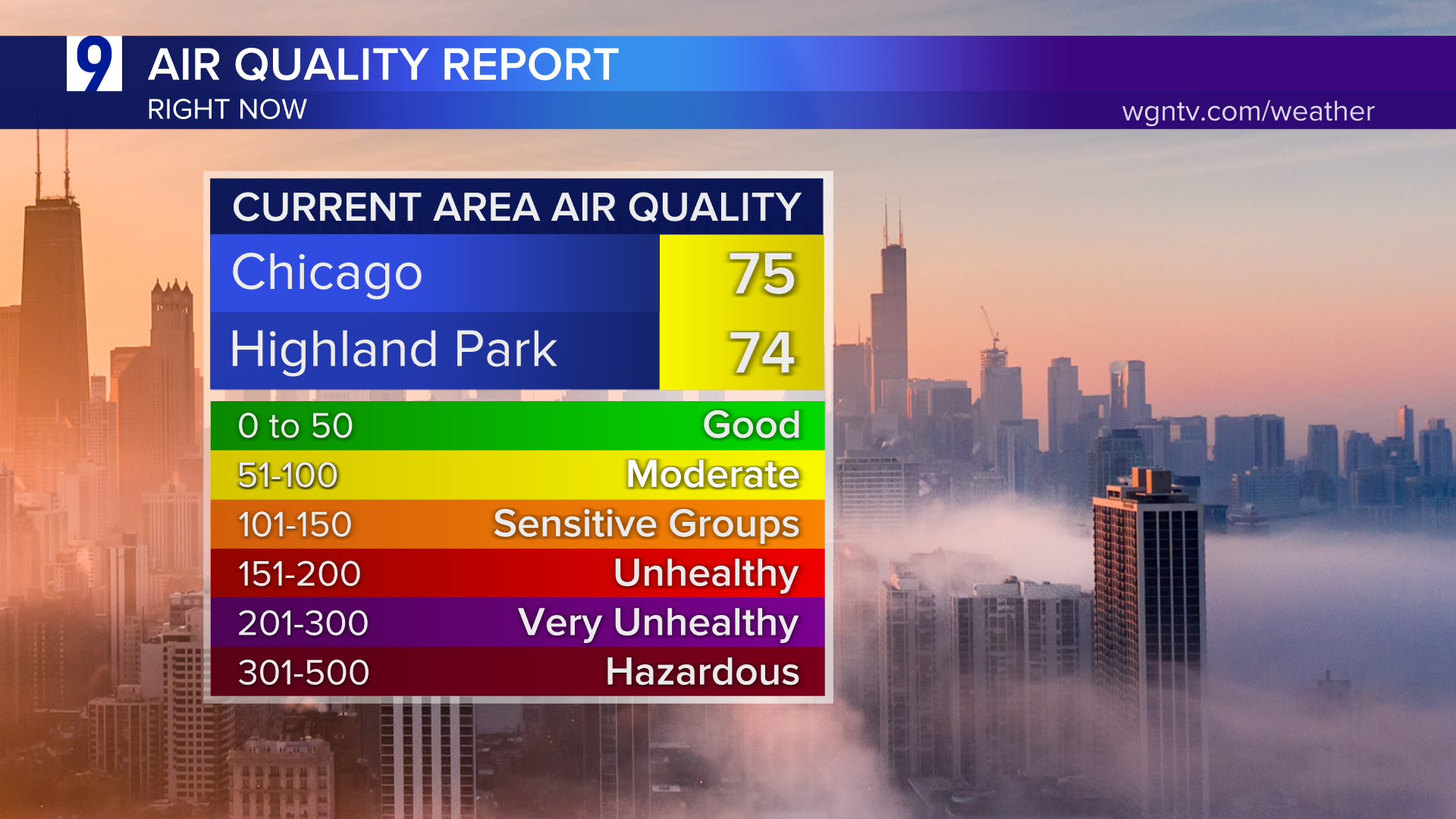
The AQI usually ranges from good to hazardous. Lower numbers mean cleaner air, while higher numbers indicate more pollution.
Common pollutants that affect air quality Chicago include:
- Fine particle pollution (PM2.5)
- Larger dust particles (PM10)
- Ground-level ozone
- Nitrogen dioxide
- Carbon monoxide
- Sulfur dioxide
These pollutants come from vehicle traffic, factories, construction work, wildfire smoke, and even certain weather conditions.
As a beginner, you don’t need to memorize every pollutant. Simply checking the AQI before spending long periods outdoors is often enough to make better daily choices.
Why Air Quality Chicago Changes Throughout the Year
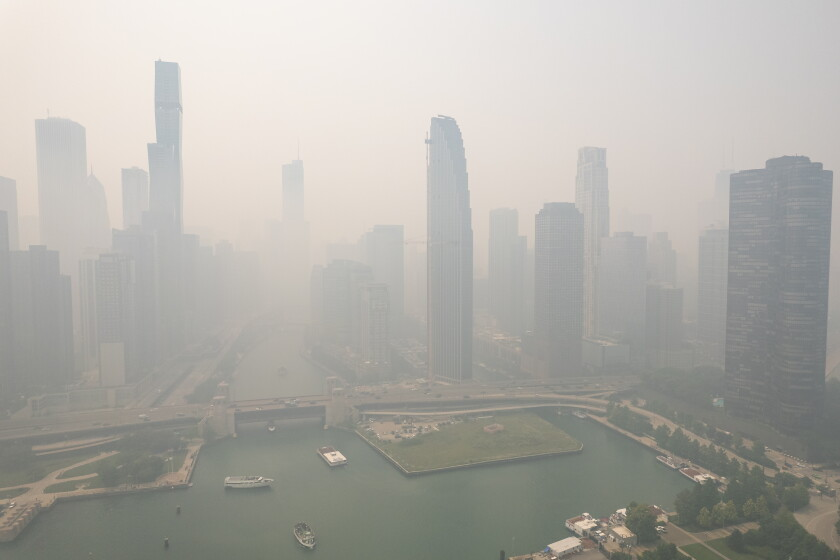
Many people assume air pollution stays the same every day, but that’s not true. Air quality Chicago changes regularly because several natural and human-made factors influence it.
Summer often brings warmer temperatures and stronger sunlight. These conditions can increase ozone levels, especially during hot afternoons.
Winter creates different challenges. Cold air sometimes traps pollutants close to the ground, causing pollution to build up instead of blowing away.
Wind also plays a major role. Strong winds can improve air quality Chicago by moving pollution away, while calm weather allows pollutants to remain in the area.
Wildfire smoke from other states or even Canada can travel hundreds of miles and temporarily reduce local air quality.
Rain is another helpful factor because it washes many airborne particles out of the atmosphere, leaving the air cleaner afterward.
Understanding these seasonal changes helps beginners know why today’s air quality may look very different from yesterday’s.
How to Check Air Quality Chicago Every Day
Checking air quality Chicago has become very simple thanks to modern technology.
Most weather apps now include an Air Quality Index. Many websites also provide hourly updates, forecasts, and health recommendations.
Here are a few easy habits:
- Check the AQI before exercising outside.
- Look at morning forecasts during wildfire season.
- Pay attention to air quality alerts.
- Reschedule strenuous outdoor activities on unhealthy days.
- Keep indoor air clean by closing windows during heavy smoke events.
These small habits only take a minute but can make a noticeable difference for people with asthma, allergies, or other breathing conditions.
Understanding AQI Colors
The Air Quality Index uses colors to make conditions easy to understand.
| AQI Color | Air Quality | General Advice |
|---|---|---|
| Green | Good | Safe for normal outdoor activities. |
| Yellow | Moderate | Sensitive people should monitor symptoms. |
| Orange | Unhealthy for sensitive groups | Reduce long outdoor exercise if needed. |
| Red | Unhealthy | Everyone should limit prolonged outdoor activity. |
| Purple | Very unhealthy | Stay indoors whenever possible. |
This color system helps beginners understand air quality Chicago without needing to study complicated pollution reports.
Simple Ways to Protect Yourself
Improving your daily habits doesn’t have to be difficult.
If air quality Chicago becomes unhealthy, try reducing outdoor exercise during the afternoon when pollution can peak.
Walking in parks or neighborhoods with more trees may provide a more comfortable environment than heavily trafficked roads, although pollution can still be present.
If wildfire smoke affects Chicago, keeping windows closed and using an air purifier can improve indoor comfort.
Drinking enough water may also help reduce throat irritation caused by dry or smoky air.
Parents can check school activity schedules when poor air quality alerts are issued.
These practical tips are easy for beginners and require very little effort.
Comparing Today’s Air Quality Tools with Older Methods
Years ago, people often judged the air simply by looking outside. Today, technology makes monitoring air quality Chicago much more accurate.
| Older Approach | Modern Approach |
| Visual observation | Real-time AQI monitoring |
| TV weather reports | Mobile apps with hourly updates |
| General forecasts | Neighborhood-level information |
| Limited health advice | Personalized health recommendations |
Modern tools give beginners much more reliable information than ever before.
Advanced Guidance for Learning More
Once you understand the basics of air quality Chicago, you can explore more advanced information.
Learn what PM2.5 means and why these tiny particles are considered one of the biggest health concerns.
Study weather patterns that influence pollution levels throughout the Midwest.
Compare different air quality forecasting apps to find the one that updates most frequently.
If you enjoy photography, cycling, or running, learning daily pollution patterns can help you choose better times for outdoor activities.
Professionals in environmental science often combine AQI data with weather forecasts, traffic information, and satellite images to understand pollution trends more accurately.
Although these topics are more advanced, beginners can gradually build their knowledge over time.
Common Beginner Mistakes
Many people misunderstand air quality Chicago when they first begin checking reports.
One common mistake is assuming cloudy skies always mean poor air quality. In reality, pollution levels and cloud cover are separate issues.
Another mistake is ignoring moderate AQI days. While moderate conditions are acceptable for most people, individuals with asthma or respiratory conditions should still pay attention.
Some beginners only check the AQI once each morning. Air quality often changes throughout the day, especially during summer afternoons.
People also sometimes believe staying indoors guarantees clean air. Indoor air quality depends on ventilation, smoke infiltration, pets, cooking, and cleaning products.
Learning these common mistakes helps beginners make smarter choices every day.
A Simple Action Plan
If you’re just getting started with air quality Chicago, follow this easy plan.
- Check the daily AQI every morning.
- Read any air quality alerts.
- Plan outdoor exercise during cleaner parts of the day.
- Reduce outdoor activity if pollution becomes unhealthy.
- Keep windows closed during wildfire smoke events.
- Consider using an indoor air purifier if smoke lasts several days.
- Continue learning about seasonal air quality patterns.
These small actions quickly become part of your daily routine.
Why Air Quality Chicago Matters This Year and Beyond
Interest in air quality Chicago continues to grow because weather patterns, wildfire smoke, and urban pollution are affecting more communities than before.
Cities are investing in cleaner transportation, renewable energy, and better environmental monitoring. At the same time, residents have easier access to real-time air quality information through smartphones.
Understanding local air quality allows people to protect their health while making informed choices about outdoor activities.
As technology improves, forecasts will become even more accurate, helping families, schools, athletes, and businesses prepare for changing conditions.
Learning about air quality today builds useful habits that will remain valuable for years to come.
Frequently Asked Questions
1. What is the Air Quality Index?
The Air Quality Index is a simple number that shows how clean or polluted the air is and whether it may affect your health.
2. How often does air quality change?
Air quality Chicago can change hourly depending on weather, traffic, and pollution sources.
3. Is outdoor exercise safe every day?
Usually yes, but always check the AQI first, especially if you have asthma or allergies.
4. Does rain improve air quality?
Rain often removes many airborne particles, leading to cleaner air after storms.
5. Where can beginners check air quality?
Most weather apps, local forecasts, and air quality websites provide easy-to-read AQI updates.
Conclusion
Understanding air quality Chicago doesn’t require advanced scientific knowledge. With a little practice, anyone can learn how to read the Air Quality Index, recognize changing conditions, and make healthier daily decisions.
Whether you’re planning a morning walk, commuting across the city, or spending time outdoors with family, checking air quality has become as important as checking the weather forecast. By following the simple tips in this guide, you’ll feel more confident, stay informed, and develop habits that support healthier living throughout the year. Every small step you take toward understanding air quality Chicago helps you make better choices for yourself and the people around you.


