

Christine Grady: A Beginner-Friendly Guide to Her Career, Contributions, and Lasting Impact
Introduction
If you have recently come across the name Christine Grady, you may be wondering who she is and why so many people discuss her in healthcare, medical research, and bioethics. For beginners, understanding Christine Grady does not require a medical degree. Her work focuses on helping doctors, researchers, and patients make ethical decisions while advancing medical science in a responsible way.
Learning about Christine Grady is valuable because medical research affects everyone. New treatments, vaccines, and healthcare practices all rely on ethical standards that protect patients. By understanding her role, beginners can better appreciate how important fairness, honesty, and patient rights are in modern medicine.
This guide explains the career, achievements, and influence of Christine Grady in simple language. Whether you are a student, a healthcare enthusiast, or simply curious, this article will help you understand why her work continues to matter.
Who Is Christine Grady?
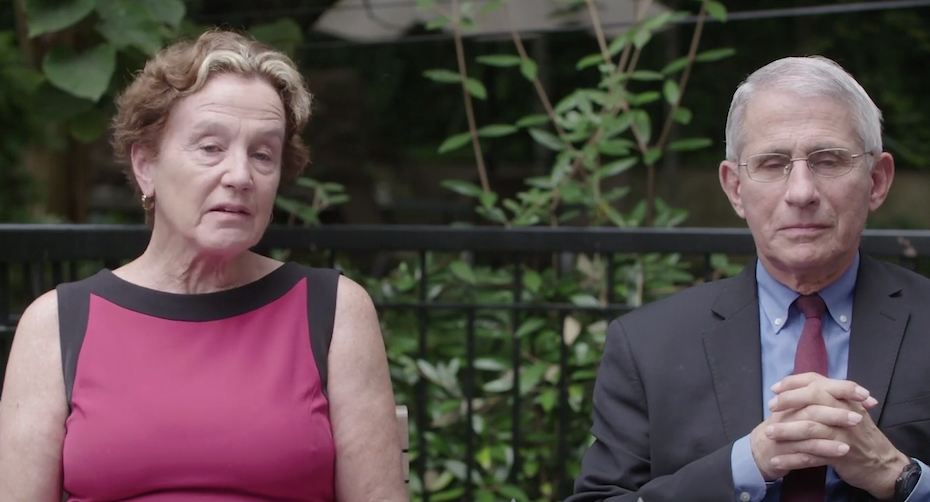
Christine Grady is an American nurse, researcher, and bioethicist known for her work in medical ethics. She has spent many years helping healthcare professionals make decisions that balance scientific progress with respect for patients.
Instead of focusing only on medical treatments, Christine Grady studies the ethical questions that appear during research. These questions include how patients should give permission to participate in studies, how researchers should treat volunteers, and how to make healthcare fair for everyone.
For beginners, think of bioethics as a guidebook that helps doctors and scientists make responsible choices.
Some important facts about Christine Grady include:
- She has worked in nursing for many years.
- She specializes in bioethics.
- She has contributed to research ethics.
- She has published articles and books.
- She has educated healthcare professionals around the world.
These achievements have made Christine Grady a respected voice in medical ethics.
Understanding Bioethics and Christine Grady’s Role
Many beginners hear the word “bioethics” and assume it is complicated. In reality, it simply means making good decisions in medicine and healthcare.
Imagine a researcher developing a new medicine. Before testing it on volunteers, many important questions must be answered.
- Is the study safe?
- Do participants understand the risks?
- Can they leave the study whenever they want?
- Are people being treated fairly?
- Is their personal information protected?
These are exactly the kinds of issues that Christine Grady has spent her career helping to solve.
Her work encourages researchers to respect every participant while still allowing medical discoveries to move forward. This balance is one of the biggest reasons why Christine Grady is recognized internationally.
Beginner Tip
Whenever you read about a clinical trial, remember that ethics experts like Christine Grady help ensure participants are protected throughout the process.
Career Highlights of Christine Grady
Over the years, Christine Grady has built an impressive career that combines nursing, education, research, and ethics.
She began with a strong background in nursing, where patient care was always the first priority. Later, she expanded her expertise into bioethics, helping shape ethical guidelines used in research institutions.
Some areas where Christine Grady has contributed include:
- Clinical research ethics
- Informed consent
- Patient rights
- Healthcare policy
- Medical education
- Ethical decision-making
She has also written numerous academic publications that continue to guide researchers and healthcare workers.
Her career shows that improving healthcare is not only about creating new medicines. It is also about protecting the people who participate in research.
Christine Grady’s Contributions at a Glance
| Area | Earlier Focus | Christine Grady’s Contribution |
|---|---|---|
| Patient Rights | Less standardized | Strong emphasis on informed consent |
| Research Ethics | Developing guidelines | Improved ethical decision-making |
| Medical Research | Scientific focus | Balanced science with patient protection |
| Healthcare Education | Limited ethics training | Expanded ethics education |
| Clinical Studies | Variable standards | Promoted fairness and transparency |
Why Christine Grady’s Work Matters
You might wonder why someone who studies ethics receives so much attention.
The answer is simple.
Modern medicine depends on trust. Patients agree to treatments because they believe healthcare professionals will protect them. Researchers conduct studies because volunteers are willing to participate.
Without trust, medical research becomes much more difficult.
Christine Grady has spent decades helping strengthen that trust by encouraging ethical practices that benefit everyone.
Her work supports:
- Better patient protection
- Fair research practices
- Honest communication
- Responsible medical innovation
- Greater public confidence
For beginners, this means safer healthcare systems and more reliable scientific research.
Beginner Tip
When reading health news, pay attention to whether researchers mention ethical approval. This shows that ethical standards were reviewed before the study began.
Advanced Guidance for Learning More
If you want to move beyond the basics and understand Christine Grady in greater depth, there are several useful approaches.
Start by learning about clinical trials and how they operate. Understanding the research process makes it easier to appreciate why ethical guidelines exist.
Next, study informed consent. This is one of the most important ideas connected with Christine Grady. It means participants receive clear information before deciding whether to join a study.
Reading introductory books or university resources about bioethics can also provide helpful background without becoming overwhelming.
Professionals interested in healthcare careers should also become familiar with ethical decision-making because these skills are valuable in nursing, medicine, public health, and research management.
Advanced Tip
Whenever you read a research paper, examine the ethics section. It often explains how participants were protected and why the study followed accepted ethical standards.
Common Beginner Mistakes
Many beginners misunderstand the work of Christine Grady because they assume ethics only applies when something goes wrong.
Actually, ethics guides decisions before problems happen.
Here are some common misunderstandings.
Thinking ethics slows down research
Ethics actually improves research quality by protecting participants and increasing public trust.
Believing informed consent is just paperwork
Consent is an ongoing conversation, not simply signing a document.
Assuming only doctors handle ethics
Many professionals, including nurses, ethicists, lawyers, and researchers, work together.
Ignoring patient perspectives
Healthcare decisions should always consider the experiences and preferences of patients.
Reading only headlines
News stories often simplify complex ethical issues. Reading more detailed explanations provides a better understanding.
Simple Action Plan for Beginners
If you want to learn more about Christine Grady, follow this easy plan.
Step One
Learn the basic meaning of bioethics.
Step Two
Understand what informed consent means.
Step Three
Read beginner articles about clinical research.
Step Four
Explore how ethical committees review medical studies.
Step Five
Follow reliable healthcare organizations for updates about research ethics.
By following these simple steps, beginners can build a strong understanding without feeling overwhelmed.
Why Christine Grady Is Relevant This Year and Beyond
Healthcare continues to evolve rapidly with advances in artificial intelligence, personalized medicine, vaccines, genetic research, and digital health technologies.
As these innovations grow, ethical questions become even more important.
Experts like Christine Grady remind researchers that scientific progress should always respect human dignity and patient rights.
Looking ahead, ethical leadership will remain essential because future medical discoveries will involve increasingly complex decisions.
This is why the work associated with Christine Grady continues to attract attention among researchers, healthcare professionals, and students worldwide.
Frequently Asked Questions
1. Who is Christine Grady?
Christine Grady is an American nurse, researcher, and bioethicist known for her contributions to medical research ethics and patient protection.
2. What is bioethics?
Bioethics is the study of ethical issues in medicine, healthcare, and scientific research.
3. Why is Christine Grady important?
She has helped improve ethical standards that protect patients and research participants.
4. What is informed consent?
It is the process of making sure people understand a study or treatment before agreeing to participate.
5. Can beginners understand Christine Grady’s work?
Yes. Learning the basics of bioethics and patient rights provides a strong foundation for understanding her contributions.
Conclusion
Understanding Christine Grady is about much more than learning about one person’s career. It is an introduction to the world of medical ethics, where patient safety, fairness, honesty, and responsible research come together.
For beginners, her work demonstrates that scientific progress is most valuable when it respects the people it aims to help. Whether you are interested in healthcare, nursing, research, or simply want to understand how medical decisions are made, learning about Christine Grady provides valuable insight into the ethical principles that shape modern medicine.
As healthcare continues to advance, the ideas supported by Christine Grady will remain important. By understanding these principles today, you gain a stronger appreciation of how ethical decision-making helps create safer treatments, better research, and a more trustworthy healthcare system for everyone.


