
How to Address an Envelope: A Simple Beginner’s Guide
Introduction
Learning how to address an envelope is a small skill that can make sending letters, invitations, cards, and important documents much easier. Although email and messaging are common today, physical mail still has an important place in everyday life. A correctly addressed envelope helps postal workers understand where your mail needs to go and reduces the chance of delays or returns.
For beginners, the process can seem confusing at first. Where should the recipient’s address go? Where does the return address belong? Do you need a stamp, and where should it be placed? The good news is that the basic layout is simple once you understand the purpose of each part.
This guide explains how to address an envelope in a clear, practical way so you can confidently prepare your next piece of mail.
Understanding the Basic Envelope Layout
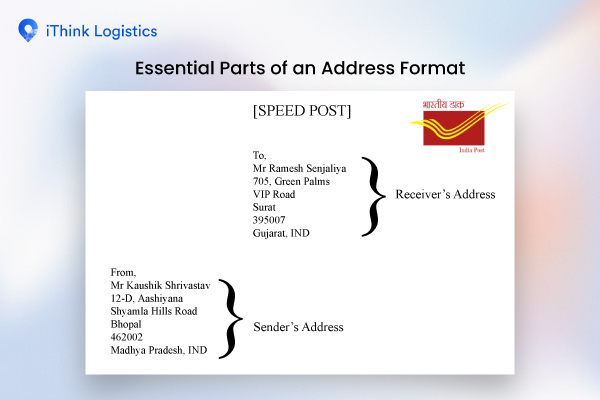
The first thing to learn is that different parts of an envelope have different jobs. The recipient’s information tells the postal service where the letter should go, while the return address tells them where it should come back if delivery is unsuccessful.
When learning how to address an envelope, imagine the front of the envelope as having three main areas. The recipient’s address normally goes in the center, the return address goes toward the upper-left corner, and the postage stamp belongs in the upper-right corner.
Keep the writing neat and easy to read. If you are handwriting the address, use clear letters and avoid squeezing too much information into a small space.
A useful beginner tip is to write the address before applying the stamp. This gives you more freedom to correct a mistake without worrying about damaging the postage.
How to Write the Recipient’s Address
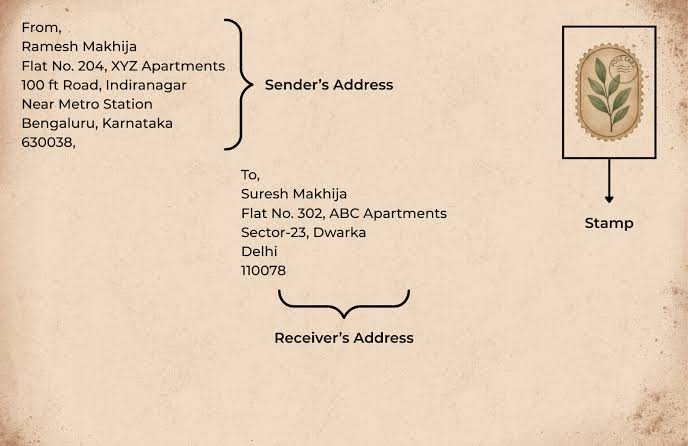
The recipient’s address is the most important part of the envelope. It should contain enough information for the postal service to identify the person or organization and deliver the mail correctly.
A basic mailing address usually includes the recipient’s name, street address, city or locality, state or province when applicable, postal or ZIP code, and country if the letter is being sent internationally.
For example, a simple address might look like this:
Sarah Ahmed
25 Garden Street
Lahore, Punjab 54000
Pakistan
The exact format can vary depending on the country. If you are mailing something within your own country, follow the address format normally used by that country’s postal service.
Place the recipient’s address roughly in the center of the envelope. Leave enough space around it so the information does not look crowded.
When learning how to address an envelope, avoid decorative handwriting that could make letters or numbers difficult to recognize. Clear writing is more useful than beautiful writing.
Adding the Return Address
The return address is placed on the front of the envelope, usually in the upper-left corner. It identifies the sender.
A return how to address an envelope is especially useful when the recipient has moved, the address is incomplete, or the postal service cannot complete delivery. Without a return address, an undeliverable letter may be much harder to return to you.
For example:
Ali Khan
18 Park Road
Karachi, Sindh 74000
Pakistan
Keep the return address smaller than the recipient’s address so there is no confusion about where the mail should be delivered.
A practical tip is to use the same address format for your return address that you would use for a normal mailing address. Double-check spelling and postal codes before sealing the envelope.
Where to Put the Stamp
Once the how to address an envelope are written, you need to add the correct postage. On a standard envelope, the stamp is generally placed in the upper-right corner of the front.
Postage requirements can depend on the destination, envelope size, weight, and type of service you choose. A normal letter and a heavy document package may not require the same amount of postage.
If you are unsure how much postage is needed, check with your local postal service before sending the envelope. This is particularly important for international mail.
When learning how to address an envelope, remember that the stamp is not simply decoration. Incorrect or insufficient postage can cause delivery problems.
Common Beginner Mistakes
Many envelope problems happen because of small mistakes rather than complicated issues. Fortunately, most are easy to prevent.
One common mistake is putting the recipient’s address too close to the edge. Postal machines and workers need enough space to process the envelope, so keep important information away from the edges.
Another mistake is writing an unclear postal code. A single incorrect digit can send mail toward the wrong destination or cause delays.
Some beginners also forget the return how to address an envelope. While it may not always be required, adding one is a smart habit because it provides a way for undeliverable mail to come back to you.
Avoid covering the how to address an envelope with stickers, artwork, tape, or other decorations. If you want a creative envelope, keep decorative elements away from the areas used for addresses and postage.
Before sending the letter, read the entire envelope from top to bottom. Check the recipient’s name, street information, city, postal code, return address, and postage.
Advanced Tips for Professional Mailing
Once you understand how to address an envelope, you can make your process more professional and efficient.
For business mail, use the recipient’s correct professional title or department when appropriate. For example, you might address correspondence to a specific manager, office, or department rather than simply writing the company name.
If you are preparing many envelopes, consider printing how to address an envelopelabels. Printed labels can improve consistency and reduce handwriting mistakes. However, make sure the label is firmly attached and does not cover important areas.
For invitations and formal correspondence, presentation can matter more. Use high-quality envelopes and consistent formatting while keeping the actual mailing information clear and easy to process.
For international mail, pay particular attention to the destination country’s requirements. Do not assume that every country uses the same order for cities, regions, and postal codes.
A Simple Action Plan
If you need to mail something today, you can follow this simple process:
- Choose an envelope that fits your letter or document.
- Place the recipient’s name and address in the center.
- Add the return how to address an envelope in the upper-left corner.
- Check every spelling, number, and postal code.
- Determine the correct postage for the envelope.
- Place the stamp or postage in the upper-right area.
- Seal the envelope securely.
- Give the finished envelope one final inspection.
- Take it to the appropriate postal collection point or post office.
Following these steps makes how to address an envelope much less intimidating. Once you have done it a few times, the process becomes almost automatic.
Why This Skill Still Matters This Year
In a world filled with digital communication, physical mail may seem old-fashioned, but it has not disappeared. People still send greeting cards, invitations, legal paperwork, applications, certificates, business correspondence, and personal letters.
Knowing how to address an envelope is therefore a useful practical skill rather than something limited to the past. It can also help children and students understand basic postal communication and organization.
The skill is likely to remain useful in the future because physical documents still have situations where digital messages are not enough. Learning the basics now gives you confidence whenever you need to send something important.
Frequently Asked Questions
What is the most important part of an envelope?
The recipient’s address is the most important information because it tells the postal service where the mail needs to go.
Where does the return address go?
The return address normally goes in the upper-left corner of the front of the envelope.
Where should the stamp go?
The stamp is generally placed in the upper-right corner of the envelope’s front.
Should I always include a return address?
It is strongly recommended because it gives the postal service somewhere to return the mail if delivery cannot be completed.
Can I handwrite an envelope?
Yes. Handwriting is perfectly acceptable as long as the information is clear, accurate, and easy to read.
Conclusion
Learning how to address an envelope does not require special training. You simply need to remember the basic layout: recipient information in the center, return information in the upper-left corner, and postage in the upper-right corner.
The most important habit is to slow down and check your details before sending the envelope. A clearly written address, correct postal code, suitable postage, and optional return address can make the mailing process much smoother.
Whether you are sending a personal letter, an invitation, or an important document, this simple skill can save time and prevent unnecessary delivery problems. Practice it a few times, and addressing an envelope will quickly become an easy part of your everyday routine.


