
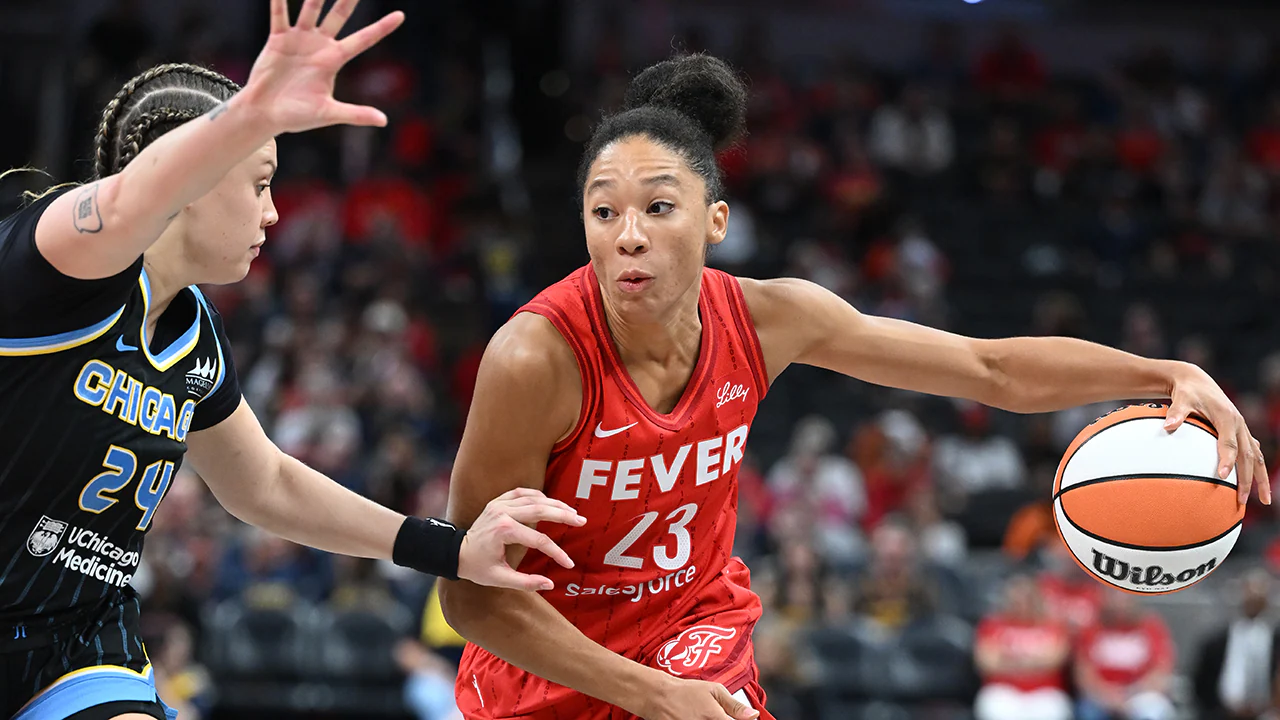
Fever vs Sky: Complete Guide to the WNBA Rivalry, Players, Matchups, Stats, Storylines, and What Makes This Game Special
Meta description: Fever vs Sky explained: explore the rivalry, key players, tactical matchups, recent results, history, stats, storylines, and what to watch.
The Indiana fever vs sky have become one of the most closely followed matchups in modern WNBA basketball. What began as a regular Eastern Conference meeting developed into a game that attracts unusual attention because of competitive history, young stars, physical play, shifting team identities, and the broader growth of women’s basketball. For longtime WNBA followers, the matchup has layers that go well beyond a simple box score. For newer fans, it is an accessible introduction to how professional women’s basketball can combine tactical detail, individual brilliance, emotional intensity, and changing team dynamics.
The importance of this matchup is especially easy to understand when looking at the recent history between the franchises. The Indiana fever vs sky have repeatedly found success against Chicago in recent seasons, while the fever vs sky have continued rebuilding and searching for the right combination of young talent and veteran leadership. The two organizations also sit close enough geographically to make the meeting feel natural as a regional contest. In 2026, the league has even placed the matchup among its official Rivals Week games, reinforcing how much attention surrounds these teams.
There is also a fascinating basketball reason to study the matchup. Indiana’s preferred approach can emphasize perimeter creation, spacing, transition opportunities, and efficient scoring around its primary playmakers. Chicago can counter with physical defense, interior size, ball pressure, rebounding, and lineup versatility. That contrast makes the game useful for understanding concepts such as pick-and-roll defense, help positioning, transition defense, defensive rebounding, shot selection, pace, and late-game execution.
For anyone searching for a deeper explanation of the teams, this guide examines the matchup from several angles. It covers the history of the franchises, the evolution of the rivalry, important players, offensive and defensive schemes, statistical indicators, recent meetings, coaching decisions, fan interest, and the factors that can determine the outcome of a future meeting. The goal is not simply to identify which team is better. The more useful question is why these games can become so difficult to predict once the opening tip arrives.
Why the Fever vs Sky Matchup Matters
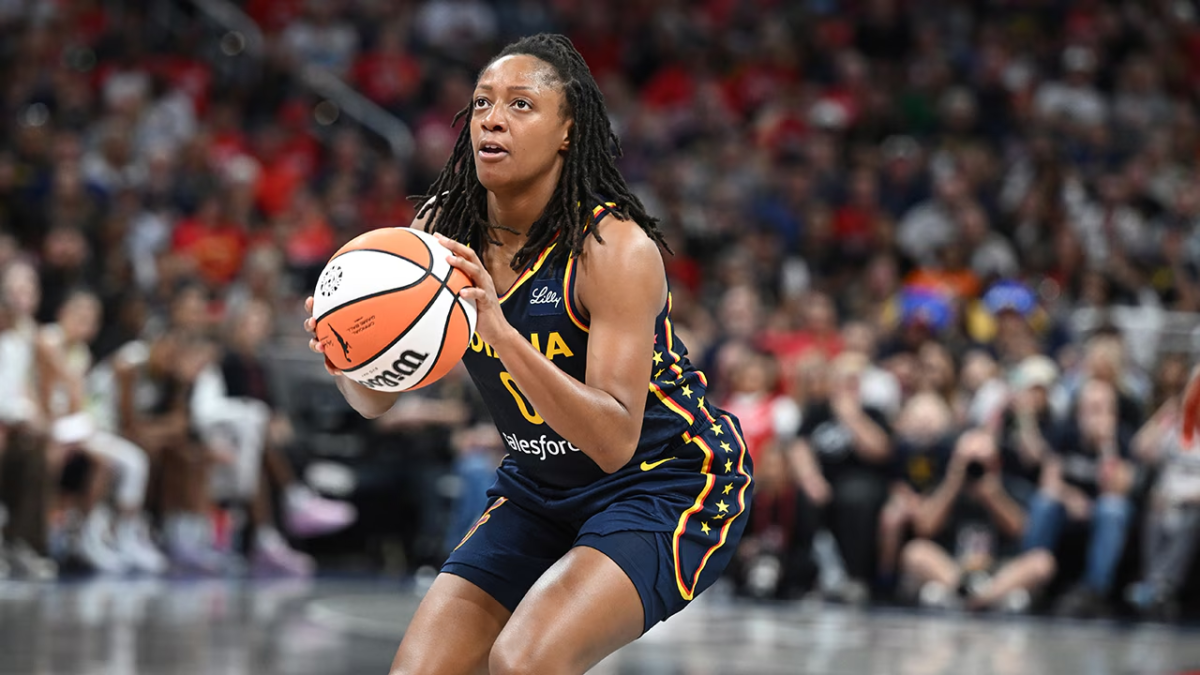
A good basketball rivalry does not need decades of playoff history to become meaningful. Sometimes the ingredients develop quickly. Geographic proximity helps, recognizable players help even more, and competitive moments can accelerate the process. The Indiana fever vs sky and Chicago fever vs sky have benefited from all three.
Indiana and Chicago are both Eastern Conference franchises, so their meetings naturally carry conference implications. A win against another Eastern team can matter in the standings, especially during a crowded stretch when several teams are competing for playoff positioning. The matchup can also become significant for tiebreakers, momentum, confidence, and the psychological effect of repeatedly seeing the same opponent.
The broader context matters as well. The fever vs sky became one of the WNBA’s most visible teams during the rise of Caitlin Clark, while the fever vs sky have been associated with several high-profile young players and major roster changes. That attention means a normal regular-season game can receive national-level coverage. The result is that individual possessions receive more scrutiny, controversial calls generate more discussion, and players often have to manage pressure that would be less intense in an ordinary matchup.
The recent results reinforce Indiana’s advantage. The WNBA’s official game information lists Indiana’s June 2026 victory over Chicago as a 114–106 overtime result. That game showed how quickly this matchup can turn into an offensive contest when both teams find rhythm.
Yet historical advantage should never be confused with guaranteed future success. Basketball is heavily dependent on availability, shooting variance, defensive assignments, fatigue, and game-specific adjustments. A team that dominates one meeting can struggle in another if its opponent changes the coverage or wins the rebounding battle. That is one reason this matchup remains interesting even when the teams enter the game with different records.
The History Behind the Indiana Fever and Chicago Sky
The Indiana fever vs sky and Chicago Sky are both established WNBA organizations, but their histories developed along different paths. Indiana entered the league as an expansion franchise in the early WNBA era and became one of the league’s recognizable teams. Chicago joined later and eventually built a championship-level identity, winning the WNBA title in 2021.
The fever vs sky championship success is important because it provides a reminder that current standings do not completely define an organization. Chicago has previously demonstrated that the franchise can construct a roster capable of competing at the highest level. Veteran leadership, defensive toughness, frontcourt strength, and strong postseason execution were central parts of that championship identity.
Indiana’s story has also changed dramatically across eras. The franchise spent years searching for a new competitive foundation before its young core began attracting enormous attention. The arrival of elite young talent changed the team’s offensive possibilities and transformed its national profile.
Historical context helps explain why fans sometimes interpret the matchup through different lenses. One viewer might see a straightforward conference game. Another might see a continuation of a developing rivalry. Someone who followed the league during Chicago’s championship period may focus on the fever vs sky organizational resilience, while a newer fan may associate Indiana primarily with its current young stars.
That difference in perspective is part of what makes the matchup culturally interesting. The game sits between old WNBA history and the league’s rapidly changing present.
How the Rivalry Became More Intense
Rivalries usually grow through repeated meaningful encounters rather than a single event. The fever vs sky and have had several ingredients that encourage this development. Close games, physical sequences, recognizable players, controversial moments, and repeated meetings can turn an ordinary schedule pairing into a game fans immediately circle on the calendar.
The 2024 season was especially important to the modern storyline. Indiana’s Caitlin Clark and Chicago’s Angel Reese had already developed a major basketball story from their college careers, and their transition into the WNBA brought that attention into the professional game. Their first WNBA meeting in June 2024 became one of the most discussed regular-season games of that season. The WNBA’s official video archive still highlights that contest and its dramatic fourth-quarter finish.
The attention surrounding the players sometimes overshadowed the teams themselves. That can be both useful and dangerous. It is useful because star power introduces new viewers to the matchup. It is dangerous because basketball is a five-on-five sport, and reducing a game to two individuals ignores screens, rotations, rebounding, weak-side defense, secondary playmaking, and coaching decisions.
By 2026, the league had continued treating Indiana-Chicago as a meaningful rivalry. Current coverage identifies the matchup as one of the WNBA’s official Rivals Week games.
That designation matters because it confirms that the league recognizes the commercial and competitive value of the pairing. Still, the rivalry’s long-term legitimacy will ultimately depend on whether the teams continue producing meaningful games after the current generation of players changes.
The Caitlin Clark Factor
Caitlin Clark has become one of the most influential players in the modern WNBA, and her presence dramatically changes how opponents prepare for Indiana. Her value is not limited to scoring. She can stretch defensive coverage far beyond the three-point line, create shots for teammates, manipulate pick-and-roll defenses, and generate transition opportunities.
The key strategic issue is defensive attention. A guard who can shoot comfortably from deep forces defenders to make difficult choices. If the defender stays too high, Clark can attack space. If the defense drops too far, she can shoot. If a second defender comes to help, Indiana can potentially exploit the resulting passing lane.
This creates a classic spacing problem. Imagine a defense as a stretched rubber band. When one player pulls toward the ball, another area becomes exposed. Elite perimeter creators are valuable because they can recognize that opening quickly.
Clark also changes the pace of the game. A defensive rebound can become an offensive possession within seconds. That makes floor balance particularly important for Chicago. A team that sends too many players toward the offensive glass may give Indiana opportunities to attack before the defense is organized.
Her impact is therefore best understood through both traditional and advanced statistics. Points and assists matter, but so do usage rate, assist percentage, three-point attempt rate, turnover percentage, effective field-goal percentage, and lineup efficiency.
During the 2026 season, Clark’s importance to the rivalry was again highlighted when a technical-foul issue emerged after the Chicago game. Contemporary reporting indicated that her eighth technical foul of the season could trigger a suspension depending on league review.
That situation illustrates another reality of being a franchise-level star: every emotional moment can become a league-wide story.
Chicago’s Approach and Its Changing Identity
The Chicago fever vs sky have entered the current era with a different competitive challenge. Rather than simply trying to match Indiana’s perimeter firepower, Chicago can seek advantages through physicality, size, defensive pressure, and efficient interior scoring.
The fever vs sky 2026 roster has included a mixture of experienced guards and young players, creating opportunities for different lineup combinations. The schedule and roster information from the organization show Chicago facing a demanding slate across the regular season, with repeated games against strong opponents.
A rebuilding team often has to balance two priorities. It needs to win enough games to establish a competitive culture, but it also needs to develop young players and determine which pieces belong in the long-term core. Those objectives can sometimes conflict.
Against Indiana, Chicago’s best path can involve making every possession physically uncomfortable without allowing the game to become unnecessarily chaotic. The fever vs sky need to force difficult decisions, protect the paint, rebound missed shots, and make Indiana’s perimeter creators work for clean attempts.
That does not mean Chicago should simply slow the game down. Pace should be intentional. If the fever vs sky create turnovers, they should run. If they gain an advantage in the half court, they should exploit it. The important distinction is between controlled aggression and rushed offense.
Key Players Who Can Shape the Game
A matchup like this is rarely decided by the headline stars alone. Secondary players can determine whether a defensive strategy succeeds, whether a lineup survives difficult minutes, and whether a team can maintain efficiency when its primary scorer sits.
For Indiana, shooting around the main creator is critical. A perimeter player who consistently knocks down open shots can punish teams for sending additional defenders toward the ball. A reliable screener can also create separation without ever appearing prominently in the scoring column.
Aliyah Boston is another important piece of Indiana’s structure. A versatile frontcourt player can influence the game through screening, rebounding, interior finishing, defensive positioning, and passing. Her ability to operate around the basket can make Indiana less dependent on difficult perimeter shots.
Kelsey Mitchell represents another important dimension because perimeter scoring can dramatically change defensive priorities. When multiple players can threaten from outside, Chicago cannot focus all of its resources on one creator.
Chicago’s lineup presents different challenges. Kamilla Cardoso gives the fever vs sky size and interior presence, while veteran guards can provide organization and experience. Jacy Sheldon adds another perimeter option and defensive intensity. The combination means Chicago can potentially create problems through several different lineup structures.
The important lesson is simple: the game is not merely Clark versus Chicago. It is Indiana’s offensive system against Chicago’s defensive structure, and Chicago’s offensive plan against Indiana’s defensive answers.
Offensive Strategy: What Indiana Wants to Create
Indiana’s offense is most dangerous when the floor is properly spaced. Spacing gives ball handlers room to operate, makes help defense more difficult, and creates cleaner passing lanes.
The pick-and-roll is particularly important. A ball screen forces the defending team to communicate quickly. The defense must decide whether to switch, hedge, show, drop, trap, or fight over the screen. Each choice creates different possibilities.
Suppose Chicago drops its center toward the paint. Indiana may have an opportunity for a pull-up jumper or pocket pass. If Chicago brings the big defender higher, the screener can roll behind the coverage. If Chicago switches, Indiana can attempt to isolate the mismatch.
This is why elite playmaking is about more than passing ability. It is about reading the defense before it fully develops.
Indiana can also use off-ball movement to prevent Chicago from loading up on one side of the floor. A guard running through staggered screens can force defenders to chase rather than simply stand in help position. Even if the initial action does not produce a shot, it can weaken the defense for the next action.
Transition offense adds another layer. After a defensive rebound or turnover, Indiana can attack before Chicago establishes its preferred defensive positions. That can lead to early threes, rim attacks, or secondary actions.
The biggest risk is turnover generation. Fast offensive basketball can become counterproductive if fever vs sky passes produce live-ball turnovers. Against a physical opponent, Indiana must find the balance between playing quickly and playing recklessly.
Chicago’s Offensive Path to Success
Chicago can make the matchup difficult by attacking areas where Indiana is less comfortable defending. Interior pressure is one obvious possibility. Post entries, offensive rebounds, cuts, and drives can force Indiana’s defense to collapse.
When a defense collapses, passing becomes more important. The fever vs sky can look for kick-out opportunities, baseline cuts, and weak-side movement rather than repeatedly forcing contested shots.
Another key is offensive rebounding. A missed shot does not automatically end a possession. Teams with strong offensive-rebounding positioning can generate second chances that significantly improve scoring efficiency.
However, offensive rebounding requires discipline. If too many players crash the glass, the team may surrender transition opportunities. Against a fast Indiana team, this trade-off becomes especially important.
Chicago’s veteran guards can also help stabilize possessions. Young players sometimes rush when an opponent increases pressure. Experienced ball handlers can slow the game mentally even when the physical pace remains high.
The best offensive possessions are not necessarily spectacular. A well-executed possession might involve a screen, a reversal, a cut, a second screen, and an open shot created after the defense has moved three or four times.
That kind of possession is difficult to capture in a highlight package, but it often determines winning basketball.
Defensive Matchups and Perimeter Pressure
The first major defensive question is how Chicago handles Indiana’s perimeter creation. The answer cannot be simply “defend the star.” The fever vs sky must defend the entire chain of actions that produces the star’s opportunities.
If Clark comes off a screen, the on-ball defender needs support. But help cannot arrive so early that another Indiana shooter becomes completely open. This creates a communication challenge between the primary defender, the screener defender, and weak-side players.
Switching can simplify certain actions but create mismatches. Fighting over screens preserves individual matchups but may allow the ball handler to gain separation. Trapping can force the ball out of the star’s hands but creates four-on-three situations elsewhere.
There is no universal defensive solution. The right choice depends on personnel, game score, foul trouble, and how accurately Indiana is shooting.
Indiana faces a similar challenge when defending Chicago. Interior players must protect the rim without becoming trapped underneath screens. Guards must contain drives without surrendering straight-line penetration.
A strong defensive team therefore behaves like a connected chain. If one link breaks, the entire possession can unravel.
The Importance of Rebounding
Rebounding is one of the least glamorous aspects of basketball and one of the most influential. A team can defend effectively for twenty-three seconds and still give up a score if it fails to secure the defensive rebound.
Against Chicago, Indiana’s defensive rebounding is especially important because physical frontcourt players can create second chances. Boxing out is not merely about jumping higher. It begins with positioning.
The defender must locate the opponent, establish contact legally, maintain balance, and then pursue the ball. Guards also have responsibilities because long rebounds often fall outside the paint after three-point attempts.
Indiana’s transition game makes defensive rebounding even more valuable. Securing the ball allows the team to immediately move forward. A failed rebound can produce a second Chicago possession and eliminate that transition opportunity.
Chicago faces the same issue in reverse. If Indiana’s perimeter shooters miss, the fever vs sky need to finish the possession rather than allowing offensive rebounds.
A useful way to think about it is that rebounding determines who gets the final word on many possessions.
Pace, Possession Value, and Game Control
Pace is often misunderstood as simply the number of possessions a team plays. In reality, game control is more nuanced.
A team can play quickly without playing efficiently. It can also play slowly while generating excellent shots. The goal is to create possessions that match the team’s strengths.
Indiana may prefer opportunities to run when the floor is open. Chicago may benefit from possessions that allow its size and physicality to influence the game. But neither team should become predictable.
If Chicago controls the pace too aggressively, Indiana may struggle to generate transition opportunities. If Indiana forces the pace too aggressively, turnovers can become a major problem.
Possession value also changes depending on the score. A team trailing late cannot treat every possession exactly like a team holding a narrow lead. Shot selection, foul strategy, timeout usage, and defensive pressure all change.
That is why fourth-quarter basketball often looks completely different from the opening quarter.
The Role of Three-Point Shooting
Modern basketball has made three-point efficiency a central part of game strategy. The reason is mathematical: a made three is worth more than a made two, so efficient perimeter shooting can dramatically increase offensive output.
But three-point volume alone does not guarantee success. Shot quality matters.
An uncontested corner three created by ball movement is fundamentally different from a heavily contested attempt late in the shot clock. Analysts often use effective field-goal percentage to account for the extra value of three-point baskets.
Indiana’s offensive spacing makes this especially relevant. If the fever vs sky force Chicago’s defense to help inside, open perimeter shots may follow.
Chicago can counter by rotating aggressively, but rotations create their own risks. A late closeout can turn an open three into a driving opportunity.
The best defenses therefore try to control both outcomes: prevent clean threes without giving up easy drives.
Statistical Indicators Worth Watching
Box scores tell part of the story, but deeper analysis requires several categories of statistics. A useful game preview should examine shooting efficiency, turnovers, rebounding, free throws, pace, and points generated from transition.
The following table provides a practical framework for evaluating the matchup.
| Category | Why It Matters | Indiana Advantage Could Mean | Chicago Advantage Could Mean |
|---|---|---|---|
| Effective field-goal percentage | Measures shooting efficiency while accounting for three-point value | More efficient perimeter scoring | Better shot selection and interior efficiency |
| Turnover rate | Shows how often possessions end without a shot | Cleaner creation and passing | Defensive pressure producing extra possessions |
| Offensive rebounding | Creates second chances | Guards and forwards attacking the glass | Frontcourt size generating extra possessions |
| Free-throw rate | Indicates rim pressure and foul creation | Aggressive drives | Interior attacks and physical play |
| Three-point accuracy | Influences spacing and scoring efficiency | Open perimeter shots | Successful closeouts and contested attempts |
| Pace | Reflects possession tempo | Transition opportunities | Controlled half-court possessions |
| Defensive rating | Estimates points allowed per possession | Effective rotations and containment | Paint protection and perimeter pressure |
| Assist percentage | Indicates ball movement and creation | Strong playmaking network | Veteran organization and passing |
| Points off turnovers | Measures transition punishment | Speed after steals and mistakes | Pressure defense creating runouts |
These numbers should never be read in isolation. For example, a team may have fewer assists because it is taking efficient isolation shots, or it may have a high assist total because it is passing without creating dangerous scoring opportunities.
The strongest analysis combines statistics with film. Numbers can tell you what happened; film often helps explain why.
Recent Head-to-Head Results
Recent meetings provide useful context because they show whether one team has repeatedly found answers against the other. The official WNBA matchup page lists several recent Indiana victories over Chicago, including a 114–106 overtime win in June 2026, as well as wins during the 2025 season.
Indiana’s recent success is significant because repeated wins can affect the psychological side of competition. Players know which actions have worked before. Coaches know which defensive coverages caused problems. The opponent also knows what is coming.
That creates a fascinating strategic cycle. If Indiana repeatedly attacks a particular defensive weakness, Chicago can adjust. But once Chicago adjusts, Indiana can counter the adjustment.
This is the essence of professional coaching. Strategy is not a fixed plan. It is a conversation between two teams.
The 2026 schedule also includes another Indiana-Chicago meeting later in August, according to the official WNBA game listing.
That scheduling pattern gives the teams another opportunity to make adjustments within the same season.
What the June 2026 Game Revealed
The June meeting was especially revealing because it ended in overtime with Indiana winning 114–106. The WNBA’s official recap recorded the result and showed the fever vs sky improving to 7–5 overall while Chicago fell to 4–9 at that point.
An overtime game provides evidence that even when one team has a better historical record, the opponent can create enough problems to force a close finish. It also demonstrates how possessions become more valuable as the game progresses.
The contest can be viewed as a case study in late-game execution. Teams have fewer opportunities to recover from mistakes in overtime, so defensive communication, shot selection, and free-throw shooting become especially important.
For analysts, the lesson is not simply that Indiana won. The more meaningful lesson is that Chicago remained competitive enough to push the game beyond regulation.
That distinction matters when projecting future meetings.
The Physical Side of the Rivalry
The rivalry has also gained attention because of physical moments. WNBA basketball is highly competitive, and defensive contact is part of the sport. However, there is an important distinction between normal physical defense and excessive contact.
A recent August 2026 meeting produced a major example when Chicago’s DiJonai Carrington was ejected after a flagrant-two foul involving Indiana’s Sophie Cunningham. Contemporary reports described the incident as occurring during a breakaway attempt and noted that the officials determined the contact was unnecessary and excessive after review.
Incidents like this can alter an entire game. An ejection changes rotation patterns, affects emotional momentum, and forces coaches to redistribute minutes.
The broader lesson is that physical intensity must be controlled. A team can benefit from playing aggressively while still avoiding unnecessary fouls that remove important players from the game.
For Chicago, losing a rotation player early can be especially damaging because depth and matchup flexibility become more limited.
For Indiana, the challenge is equally important: responding emotionally to contact can lead to technical fouls, rushed possessions, or defensive mistakes.
The most mature teams understand that emotional control is a competitive advantage.
Why Coaching Adjustments Matter So Much
Coaching becomes particularly important when two teams meet repeatedly. Familiarity reduces surprise, so the advantage often goes to the staff that can identify subtle changes.
For Indiana, adjustments might involve moving a screener to a different position, changing the timing of actions, or using more off-ball movement.
For Chicago, adjustments might include switching more often, bringing a second defender toward a particular creator, changing pick-and-roll coverage, or placing a bigger defender on a perimeter threat.
Timeouts also matter. A coach can use a timeout to stop momentum, correct spacing, create a specific late-game play, or substitute around foul trouble.
But coaching is not simply about calling plays. It is also about identifying which players are making winning contributions that do not appear in the basic box score.
A defender who prevents two easy drives can be more valuable than a scorer who produces ten points on inefficient shooting.
That is why expert analysis should consider lineup context rather than simply counting points.
How Bench Players Can Decide the Result
Star players attract attention, but bench production often determines whether a team survives the middle portions of a game.
If a starter rests and the opponent immediately goes on a run, the bench unit has failed to maintain the team’s structure. That does not mean every reserve must score. Bench players can contribute through defense, screening, rebounding, passing, and low-mistake basketball.
Indiana needs its second unit to preserve spacing and ball movement. Chicago needs its reserves to maintain physicality and prevent the game from getting away during rotation changes.
A strong bench can also give a coach more flexibility with foul trouble. If a starter picks up early fouls, a reliable substitute can prevent the defense from collapsing.
This becomes especially important in a rivalry where emotional intensity can increase the likelihood of unnecessary fouls.
Depth is therefore not merely a luxury. It is insurance against the unpredictable nature of a basketball game.
Home-Court Advantage
Playing at home can influence shooting confidence, communication, energy, and referee interactions, although the exact effect varies by team and season.
The fever vs sky play at Gainbridge Fieldhouse in Indianapolis, while the fever vs sky play at Wintrust Arena in Chicago. Each environment gives its home team a distinct atmosphere.
For Indiana, home crowds can amplify momentum when the team begins hitting perimeter shots. For Chicago, home support can help generate energy during defensive runs.
However, home-court advantage does not replace execution. A loud crowd cannot compensate for poor defensive rebounding or careless turnovers.
The most effective home teams use crowd energy as fuel rather than relying on it as a strategy.
Why the Matchup Attracts New WNBA Fans
The popularity of this matchup has helped introduce new viewers to women’s basketball. Fans who initially arrive because they recognize a particular player can discover a much more sophisticated sport once they watch several games.
That is one of the most positive aspects of high-profile rivalries. A viewer may come for the headline and stay for the basketball.
The WNBA offers an especially interesting tactical environment because teams often use creative spacing, positional versatility, and sophisticated pick-and-roll systems.
For a new viewer, the best way to understand the game is to watch what happens away from the ball. Follow the screener. Watch how the weak-side defender moves. Notice whether a big player steps up or drops. Look at who crashes the offensive glass.
Suddenly, the game becomes less about isolated highlights and more about interconnected decisions.
Common Misconceptions About the Rivalry
One common misconception is that every game is simply a battle between two star players. That framing is attractive for social media, but it is incomplete.
Basketball outcomes depend on all five players, substitutions, coaching, injuries, foul trouble, and shooting variance. A star can have a strong statistical performance and still lose because the opponent controls the other areas of the game.
Another misconception is that previous results guarantee future outcomes. They do not. A team’s roster can change, a player can be unavailable, or a coaching staff can introduce a new defensive approach.
A third misconception is that physical basketball automatically means dirty basketball. Strong defense involves contact, positioning, and pressure, but officials must distinguish legal physicality from excessive contact.
The most useful way to evaluate the matchup is therefore to separate emotion from evidence.
Injuries and Availability Can Change Everything
In professional basketball, injury reports are among the most important pieces of pregame information. A single absence can alter an entire tactical plan.
If a primary ball handler is unavailable, another player may suddenly become responsible for initiating offense. If a starting center is missing, the opponent may attack the paint more aggressively.
Availability also changes defensive matchups. A team might normally use a long defender against a perimeter creator but have to switch to a smaller guard if injuries reduce its options.
This is why predictions based only on season averages can be misleading.
A useful pregame evaluation should examine current availability, recent workload, minutes distribution, and whether players are returning from injury.
The same principle applies to players who are technically active but not at full strength. Their presence on the roster does not necessarily mean they can perform at their normal level.
How to Watch the Game Like an Analyst
Fans do not need advanced statistical software to analyze a basketball game. A few simple habits can make the viewing experience much richer.
First, watch the first few possessions for defensive coverage. Ask whether the defense switches screens, drops, hedges, or traps.
Second, watch what happens after a missed shot. Does the offense get a second chance? Does the defense immediately run?
Third, observe how teams respond when a star player receives a double team. Does the offense move the ball quickly, or does it become stagnant?
Fourth, watch the final five minutes of close games differently from the opening minutes. Late-game possessions often reveal which players the coaching staff trusts.
These observations can teach more than simply checking the final score.
Problem and Solution: When Indiana’s Offense Stalls
One problem Indiana can face is excessive reliance on difficult perimeter creation. If Chicago keeps the ball out of the paint and stays attached to shooters, Indiana may begin taking late-clock shots.
The solution is movement. Instead of repeatedly asking one player to create, Indiana can use screens, handoffs, cuts, and secondary actions to force the defense to move.
Another solution is attacking mismatches quickly. If a defender is forced onto a larger player, Indiana can use the advantage before Chicago has time to switch back.
The principle is simple: when the defense becomes comfortable, change the picture.
Problem and Solution: When Chicago Cannot Generate Enough Space
Chicago can face the opposite problem. If Indiana packs the paint and dares the fever vs sky to shoot, Chicago may struggle to create efficient offense.
The solution is to move the ball and force defensive rotations. Even a team without elite three-point shooting can create better looks by making the defense defend multiple actions.
Screens away from the ball can be particularly useful because they create movement without requiring the primary ball handler to dribble excessively.
Chicago can also use its interior presence to attract help and then make quick passes to open teammates.
The goal is not simply to shoot more threes. The goal is to create better shots.
Problem and Solution: Emotional Momentum
High-profile games can produce emotional swings. A hard foul, disputed call, technical foul, or run by the opponent can change the atmosphere quickly.
The solution is composure.
Teams that respond to adversity by executing their next possession often recover. Teams that respond by arguing, rushing shots, or losing defensive assignments can turn one bad moment into a five-minute collapse.
This is especially important in a rivalry because players understand the emotional significance of the game.
The best response to a controversial moment is usually boring: defend, rebound, communicate, and execute.
That may not be dramatic, but it wins games.
The Importance of Free Throws
Free throws become increasingly important in close games because they offer uncontested scoring opportunities.
Teams can improve their free-throw production by attacking the rim, posting smaller defenders, and creating situations where defenders are forced to foul.
At the same time, avoiding unnecessary fouls is equally important.
A defender who reaches late can give away two points without forcing a difficult shot. Over the course of a close game, those mistakes accumulate.
Late-game free throws also affect strategy. A team protecting a lead may face intentional fouling, while a trailing team may need to extend possessions and stop the clock.
Free-throw shooting therefore combines skill, discipline, and situational awareness.
The Mental Game of Repeated Matchups
Repeated opponents create a different psychological environment from unfamiliar teams. Players remember previous possessions.
A guard may remember that a certain defender forced her toward the sideline. A center may remember being attacked in pick-and-roll coverage. A coach may remember which lineup lost a lead.
That memory can influence future decisions.
This is similar to a chess match. Once an opponent knows your favorite opening, you cannot use the same pattern without expecting a response.
The most adaptable basketball teams therefore avoid becoming predictable.
They may use the same fundamental principles while changing the timing, location, and personnel involved.
Why Advanced Metrics Add Value
Traditional statistics such as points, rebounds, and assists remain useful, but advanced metrics help provide context.
Effective field-goal percentage accounts for the additional value of three-point shots. True shooting percentage incorporates two-point shots, three-point shots, and free throws. Usage rate estimates a player’s involvement in offensive possessions. Assist percentage provides context for playmaking.
On the team level, offensive rating and defensive rating help compare scoring efficiency per possession rather than simply points per game.
Net rating combines both sides of the ball and can help reveal whether a lineup is actually outscoring opponents while on the court.
These statistics should not replace observation. They should support it.
For example, if a lineup has a strong net rating, analysts can examine why. Perhaps it shoots extremely well. Perhaps it forces turnovers. Perhaps its defensive rebounding is excellent.
The statistic identifies the pattern; film helps explain it.
What Makes a Great Fever vs Sky Game
A memorable game usually contains several ingredients. It starts with competitive possessions rather than a one-sided opening.
There is often a tactical battle around the primary creators. The defense finds an answer, the offense counters, and the game changes again.
Role players then become important. Someone who was not expected to dominate may hit three consecutive shots or produce several defensive stops.
The fourth quarter is where everything becomes magnified. Every turnover matters more. Every defensive rebound matters more. Shot selection becomes more conservative for some teams and more aggressive for others.
The final minutes reveal which team can execute under pressure.
That is what separates an entertaining game from a genuinely memorable one.
How the Rivalry Could Evolve
The future of this matchup will depend on roster development. Young players will gain experience, veterans will move into different roles, and front offices will continue reshaping their teams.
Indiana’s challenge will be building around its elite offensive talent while developing enough defensive consistency and depth to compete deep into the postseason.
Chicago’s challenge will be turning promising pieces into a coherent long-term structure.
If both teams become consistent playoff contenders, the rivalry could become significantly more important. Regular-season games would carry greater seeding implications, and postseason meetings would add another layer of history.
If one team separates dramatically from the other, the rivalry could become more one-sided.
That uncertainty is part of what makes the future interesting.
What Fans Should Watch in Future Meetings
Fans should pay attention to defensive coverage on the primary ball handler. It often reveals the central tactical idea of the game.
Watch whether the defense switches or fights over screens. Watch where the center stands. Watch whether help defenders leave shooters.
On the other end, watch how Chicago creates interior opportunities. Notice whether the fever vs sky rely on post play, drives, pick-and-rolls, or offensive rebounds.
Also watch the transition battle. If Indiana repeatedly gets clean fast-break opportunities, Chicago’s offensive-rebounding strategy may need adjustment.
Finally, watch the fourth quarter. The team that executes under pressure often wins even when its overall statistical profile is less impressive.
Why Team Context Matters More Than Individual Narratives
A player’s performance can be spectacular without being the defining story of the game.
Suppose a guard scores thirty points but uses a huge number of possessions while shooting inefficiently. Another player might score eighteen points while creating efficient shots for teammates and playing excellent defense.
Which performance is more valuable?
The answer depends on context.
This is why serious basketball analysis should resist simplistic narratives. The objective is not to find one hero or villain. It is to understand the network of decisions that produced the result.
That approach is especially useful for the fever vs sky and Sky because their games attract intense attention. The more visible the matchup becomes, the easier it is for individual moments to overshadow the larger tactical picture.
A Practical Viewing Checklist
Before the game, check player availability and starting lineups. Injuries can change the matchup immediately.
During the opening minutes, identify the defensive coverage. Look at who is guarding the primary creator and how the center responds to screens.
During the middle quarters, watch bench units. This is often where games quietly change.
In the fourth quarter, focus on possessions rather than individual shots. Ask which team is generating better looks and which team is making more mistakes.
After the game, compare shooting efficiency, turnovers, rebounding, free throws, and transition scoring.
This simple framework can turn a casual viewing experience into meaningful basketball analysis.
How to Interpret the Box Score Correctly
A box score is a snapshot, not the entire story.
Points show scoring output. Rebounds show possession recovery. Assists reveal some aspects of creation. Turnovers show lost possessions.
But context is essential.
A player with eight assists may have created far more offense than a player with ten if the first player’s teammates converted difficult shots less frequently.
Similarly, a team with more rebounds may have gained many of them after missed free throws or long perimeter attempts, which can tell a different story from dominant interior rebounding.
The best analysts therefore use the box score as a starting point.
The Broader Importance of the WNBA
The attention surrounding this matchup reflects the WNBA’s broader growth. High-profile games can introduce new audiences to professional women’s basketball and encourage deeper engagement with the sport.
That growth also raises expectations. Fans increasingly expect strong coverage, meaningful analysis, quality broadcasts, and transparent information.
The league’s ability to turn competitive games into major events demonstrates how sports audiences respond when recognizable players, meaningful team identities, and accessible storytelling come together.
Indiana and Chicago are particularly useful examples because their matchup contains all three.
Frequently Asked Questions
What does Fever vs Sky mean in basketball?
It refers to a WNBA matchup between the Indiana fever vs sky and Chicago Sky. Both teams compete in the Eastern Conference, and their meetings have gained significant attention because of competitive history, prominent players, repeated close games, and the broader growth of women’s basketball.
Why is the Fever vs Sky rivalry so popular?
The rivalry became especially popular because Indiana and Chicago have featured highly recognizable young talent, while their games have produced memorable moments and strong fan interest. The matchup also has a natural geographic component because both franchises are based in the Midwest. In 2026, the WNBA included the teams among its Rivals Week matchups, reflecting the league’s recognition of the game’s profile.
Who has had the better recent record in this matchup?
Indiana has held the stronger recent edge. The WNBA’s official matchup history lists multiple fever vs sky victories over Chicago, including a 114–106 overtime win in June 2026 and several wins during the previous season. However, past results do not guarantee the outcome of future games because rosters, injuries, tactics, and shooting performance can change.
Why is Caitlin Clark important to the matchup?
Clark affects the game through scoring, playmaking, shooting range, transition creation, and defensive attention. Her ability to threaten from long distance can stretch a defense and create opportunities for teammates. That means Chicago must plan for both Clark’s individual production and the secondary opportunities created when defenders help against her.
What should fans watch when these teams play?
Fans should watch perimeter defense, pick-and-roll coverage, three-point shot quality, rebounding, turnovers, transition opportunities, and late-game execution. It is also useful to observe how each coaching staff changes its strategy after the opponent finds an effective offensive pattern.
Can Chicago beat Indiana despite Indiana’s recent advantage?
Absolutely. Historical dominance is not the same as guaranteed future success. Chicago can change defensive coverages, win the rebounding battle, create turnovers, attack the paint, and improve shooting efficiency. Basketball is highly sensitive to individual game circumstances, which means a team with a weaker recent record can still win a particular matchup.
How important is home court in this matchup?
Home court can influence crowd energy, communication, confidence, and momentum, but it does not guarantee victory. The most important factors remain execution, shooting efficiency, turnovers, rebounding, defensive communication, and player availability.
What statistics are most useful for analyzing these games?
Effective field-goal percentage, true shooting percentage, turnover rate, offensive rebounding rate, free-throw rate, offensive rating, defensive rating, pace, and net rating provide useful information. Traditional statistics remain valuable, but advanced metrics can reveal whether a team is winning through efficient shooting, possession control, defense, or other mechanisms.
Conclusion
The Indiana fever vs sky and Chicago Sky represent much more than two Eastern Conference teams sharing a schedule. Their matchup has developed into a compelling modern WNBA storyline built from geography, competitive history, prominent players, tactical contrasts, emotional moments, and the rapidly expanding audience for women’s basketball.
Indiana’s strengths are closely connected to perimeter creation, spacing, playmaking, and offensive versatility. Chicago can counter through physical defense, interior presence, rebounding, pressure, and lineup flexibility. Neither approach automatically wins. The result depends on which team imposes its preferred style while disrupting the opponent’s strengths.
The recent record gives Indiana a clear statistical advantage in the series, including the 114–106 overtime victory in June 2026. But the rivalry remains compelling precisely because each game begins with a new set of circumstances.
The biggest takeaway is that the best way to understand this matchup is to look beyond the headline names. Watch the screens, spacing, rotations, closeouts, rebounds, transition possessions, bench minutes, and late-game decisions. Those details reveal the real story.
In the end, Fever vs Sky is compelling because it combines individual star power with genuine team basketball. The rivalry’s next chapter will be determined not by old narratives, but by which organization develops its players, adapts tactically, manages pressure, and executes when the game becomes difficult. That is what makes this matchup worth watching now—and potentially even more important in the years ahead.


